Model | Capacity (t/pot) | Diameter (mm) | Volume (m3) |
|---|---|---|---|
| TSTC100 | 15-20 | Φ350*1000 | 6 |
| TSTC120 | 25-30 | Φ400*1200 | 8 |
| TSTC150 | 30-40 | Φ450*1400 | 12 |
| TSTC200 | 50-70 | Φ650*2000 | 18 |
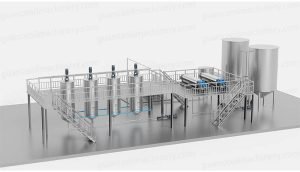
Oil deacidification equipment is a critical part of the oil refining plant, designed to reduce the free fatty acids (FFA) in crude oils, improving the oil’s quality, stability, and taste.
Oils with high levels of free fatty acids are undesirable because they affect the oil’s taste, shelf life, and overall quality.
By using deacidification equipment, you can lower the FFA content, making the oil more suitable for consumption and enhancing its market value.
What is Oil Deacidification?
Oil deacidification equipment is the process of removing free fatty acids (FFAs) from oil pressing.
There are two main deacidification methods used in the oil process:
1. Neutralization (Alkali Refining): Where an alkaline substance, typically sodium hydroxide (NaOH), is added to the oil to neutralize the free fatty acids, forming soapstock, which can then be removed.
2. Physical Deacidification (Steam Distillation): This method uses steam distillation to remove FFAs by subjecting the oil to high temperatures under vacuum.
Why is Oil Deacidification Important?
Improved Oil Quality: Deacidification helps improve the color, flavor, and overall quality of the oil, making it more appealing for consumers.
Increased Oil Yield: Removing free fatty acids ensures higher oil recovery in subsequent refining steps.
Better Shelf Life: High FFA levels can lead to faster rancidity and spoilage. Deacidification helps prolong the shelf life of oils.
Compliance with Standards: Many food and health regulations require oils to meet specific FFA content levels. Deacidification ensures compliance with these standards.
Features of Oil Deacidification Equipment
| Feature | Purpose |
|---|---|
| Efficient Neutralization | The equipment ensures minimizing chemical waste and maximizing FFA removal. |
| Heat and Vacuum Control | Guance Machinery deacidification equipment maintains the ideal environment to remove FFAs without affecting the oil's other characteristics. |
| Continuous Operation | Our are designed for continuous operation, allowing for higher throughput and reducing downtime during processing. |
| Energy Efficiency | Recent advancements in oil deacidification systems focus on reducing energy consumption 20~30%. |
Oil deacidification equipment is essential for refining high-quality edible oils and other oil products.
By efficiently removing free fatty acids, deacidification improves oil quality, enhances refining processes, and ensures compliance with industry standards.
Whether you’re producing edible oils, biofuels, or oils for cosmetic use, investing in high-quality deacidification equipment is crucial for optimizing production efficiency and product quality.
If you’re looking for reliable and efficient oil deacidification solutions tailored to your specific needs, contact Guance Machinery today.
Oil Deacidification Equipment Advantages
Implementing oil deacidification equipment offers multiple advantages for oil producers:
1. Improved Oil Quality: By removing free fatty acids, the oil’s taste, color, and stability are significantly improved.
2. Enhanced Refining Efficiency: Lowering the FFA content makes the subsequent refining processes like deodorization more effective and efficient.
3. Reduced Processing Costs: Deacidification reduces the need for additional refining steps, saving time and resources in the long run.
4. Higher Product Value: Oil with low FFA content is generally more valuable in the market, as it meets higher quality standards.
Q1: What is the difference between alkali refining and physical deacidification?
A: Alkali refining (neutralization) uses an alkaline substance to neutralize free fatty acids, while physical deacidification involves steam distillation to remove FFAs.
Q2: How does oil deacidification improve oil stability?
A: By reducing free fatty acids, deacidification prevents the oil from becoming rancid and extends its shelf life, making it more stable during storage and transportation.
Q3: Can oil deacidification equipment be used for all types of oils?
A: Yes, deacidification equipment can be adapted for various oilseeds, but the method chosen (alkali refining or physical deacidification) depends on the oil’s FFA content and processing requirements.