Sunflower Seed Oil Processing: Complete Solutions for Efficient Production
The Sunflower Seed Oil Processing Plant is designed to efficiently extract, refine, and package sunflower oil, one of the most popular vegetable oils worldwide.
With its neutral taste and health benefits, sunflower oil is widely used in cooking, biodiesel production, and various industrial applications.
The Guance Machinery will walk you through the entire sunflower seed oil processing journey, focusing on the setup, extraction, refining, and automatic bottling stages.
Raw Materials to Finished Oil Legend
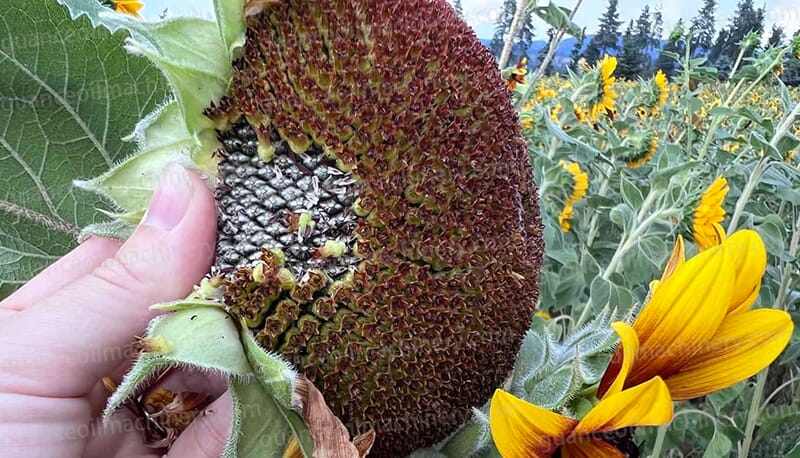
Sunflower
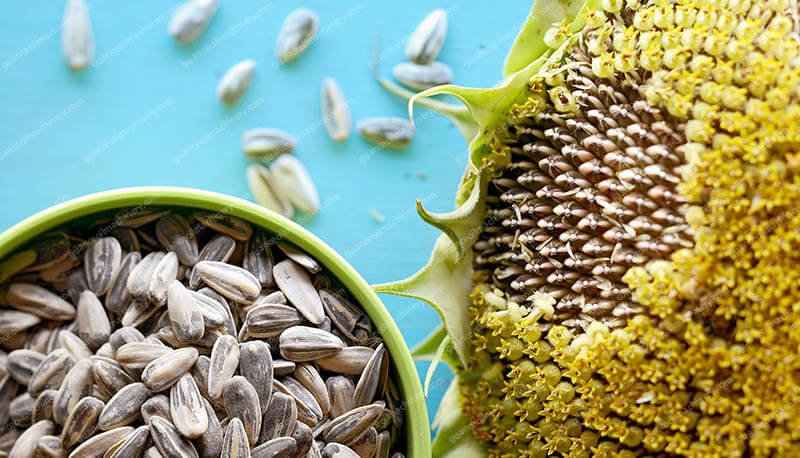
Cleaning Sunflower
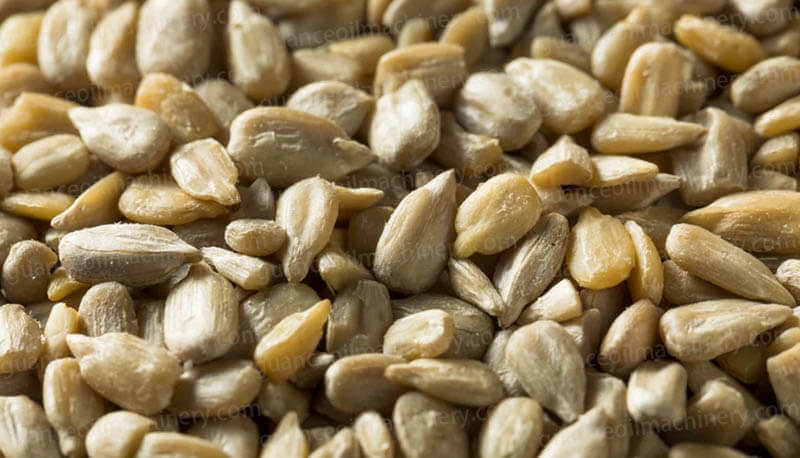
Sunflower Oil Pressing
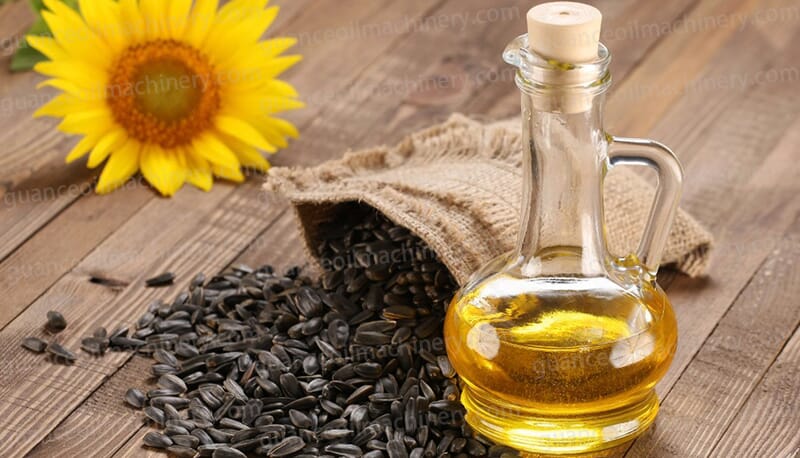
Sunflower Oil Refining
According to global edible oil consumption data in 2024
- Annual consumption: 20.83 million metric tons
- Sunflower Seed oil occupies an important position in global edible oil consumption
Complete Sunflower Oil Processing Plant Setup
Setting up a Sunflower Seed Oil Processing Plant requires careful planning, quality equipment, and a strategic layout.
Whether you’re planning a small-scale plant or a large industrial facility, these are the key components to consider for a complete setup:
Design & Layout: The plant’s layout should ensure smooth flow between stages—cleaning, pressing, refining, and bottling.
Guance Machinery: To set up an efficient plant, you’ll need several machines, including screw press, refining units, degumming systems, bleaching filters, and deodorization equipment.
Raw Material Handling: Seed cleaning equipment and storage silos are crucial to ensure the seeds stay in top condition for processing.
Step-by-Step Sunflower Seed Oil Processing Solutions Flow Chart
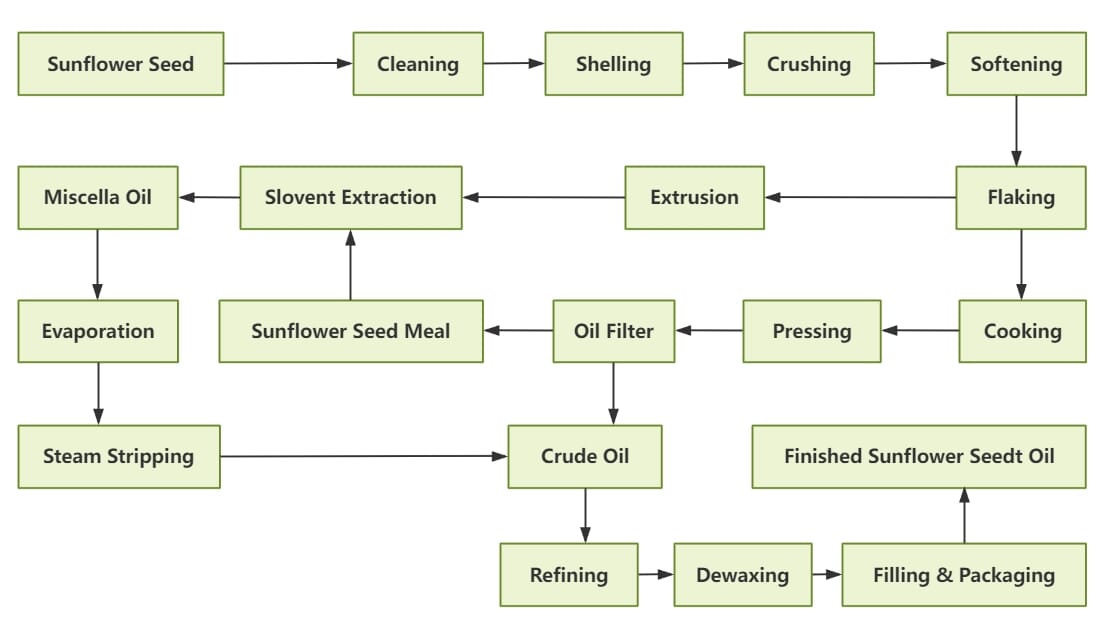
Sunflower Seed Oil Processing Steps
- Seed Cleaning: The cleaning process removes impurities from the sunflower seeds.
- Conditioning: Adjusting moisture content to improve oil extraction efficiency.
- Crushing & Flaking: The seeds are crushed and flaked to prepare them for oil extraction.
- Pressing: Oil is extracted using an oil expeller.
- Crude Sunflower Oil: The oil extracted in this stage is often impure and requires further processing.
- Degumming: Removes phospholipids and gums from the oil.
- Neutralization: Removes free fatty acids from the oil.
- Bleaching: Removes color pigments and impurities from the oil.
- Deodorization: Eliminates undesirable odors from the oil.
- Refined Sunflower Oil: The oil that has been purified through the refining process.
- Automatic Bottling: The oil is packaged into bottles automatically.
- Finished Product: The final product is the bottled sunflower oil, ready for distribution.
Sunflower Seed Oil Extraction and Refining Process
The extraction and refining of sunflower oil are vital steps in ensuring a high-quality final product.
Here’s a breakdown of the Sunflower Seed Oil Extraction and Refining Process:
OilSeeds Pretreatment
Before extracting oil, the sunflower seeds undergo a oil pretreatment process that includes cleaning and conditioning.
Seed cleaning removes dirt, stones, and other contaminants, while conditioning adjusts moisture levels to improve extraction efficiency.
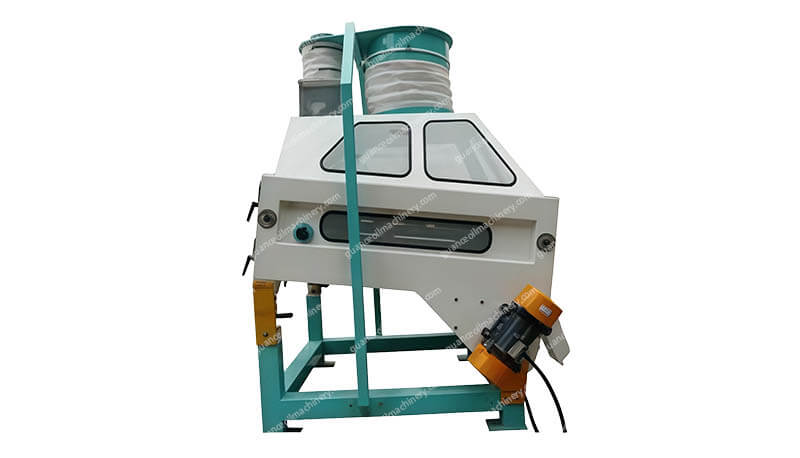
Oilseed Destoner Machine
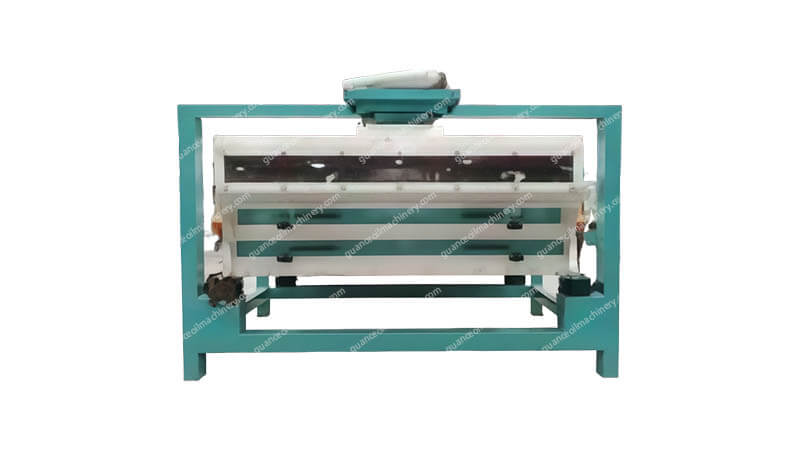
Sheller Machine (Kernel Shell)
Oil Pressing
The most common method for extracting sunflower oil pressing.
After pretreatment, the seeds are fed into an oil expeller, where pressure is applied to extract the oil.
Depending on the process, cold pressing may be preferred to preserve nutrients, while hot pressing increases oil yield.

Screw Oil Press
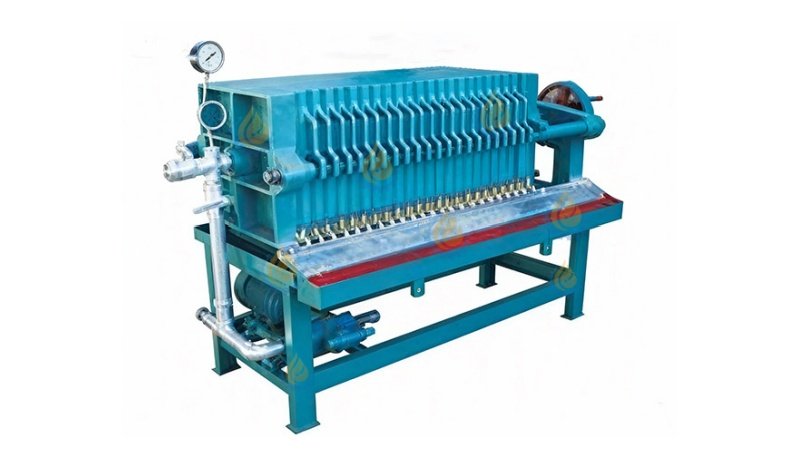
Plate Oil Filter Machine
Oil Refining Process
Once the oil is extracted, it often contains impurities such as phospholipids, free fatty acids, pigments, and odors.
The oil refining process includes several stages to purify the oil:
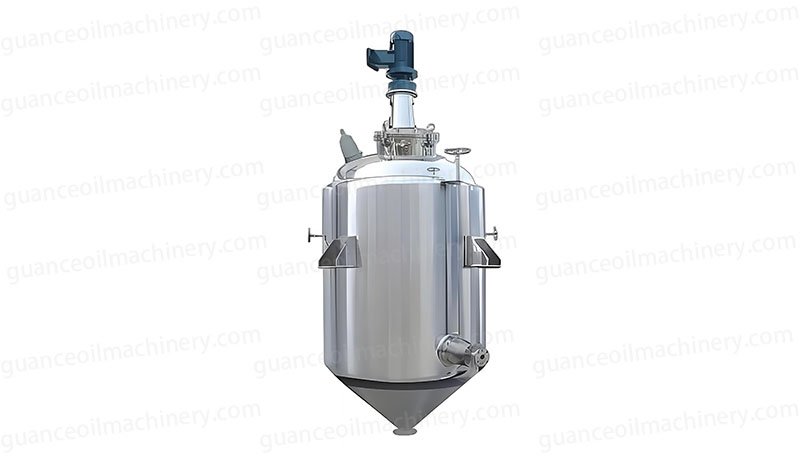
Degumming: Sunflower oil often contains phospholipids that cause cloudiness. Degumming removes these impurities to ensure clarity.
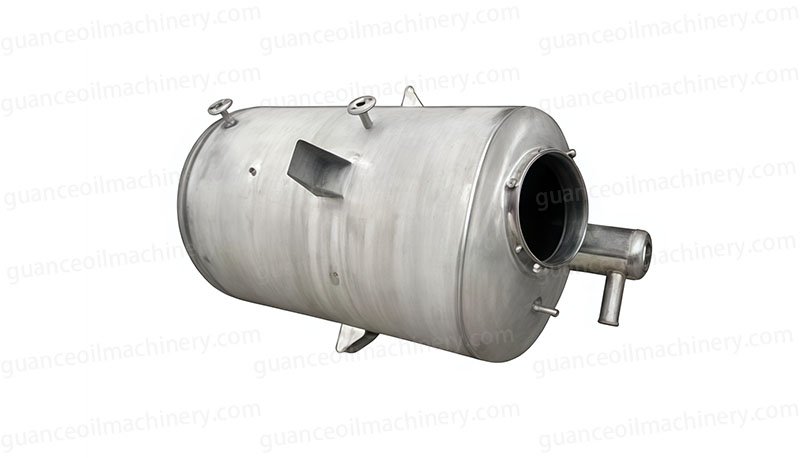
Neutralization: To reduce the acidity of the oil, neutralizers are used to remove free fatty acids.
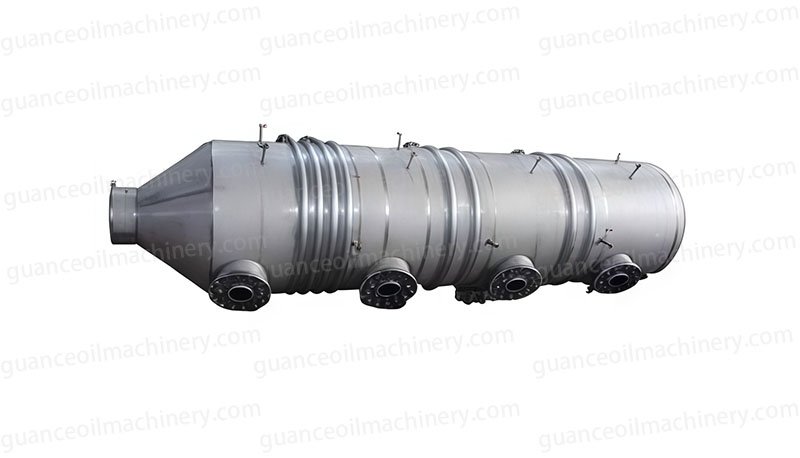
Bleaching: Bleaching earth is used to eliminate color and refine the oil’s appearance.
Deodorization: The deodorization process removes any remaining odors, resulting in a neutral-flavored oil suitable for culinary purposes.
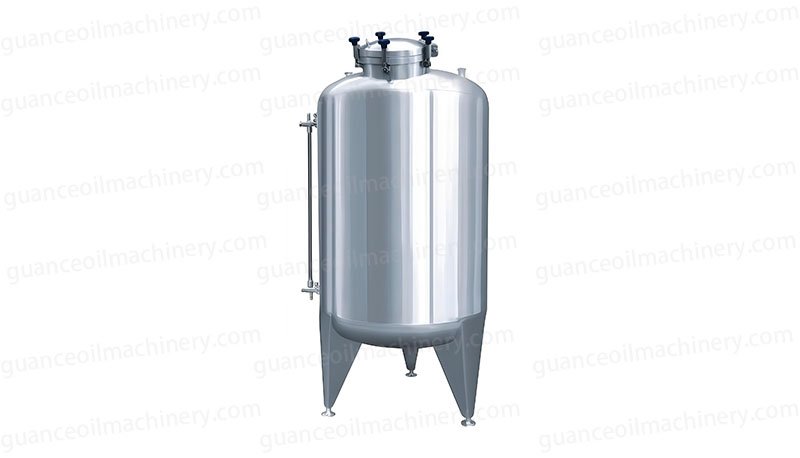
Degumming
Decolorization
Deacidification
Deodorization
Sunflower Seed Oil Bottling Process
The Sunflower Seed Oil Bottling Process is crucial to producing a high-quality final product that meets consumer standards.
Bottling Process
After the refining stages, the oil is ready for packaging.
Automated bottling systems fill containers, seal them, and label them with minimal human intervention.
This ensures high-speed, hygienic production and consistency in each bottle’s content.

Automatic Bottling Machine
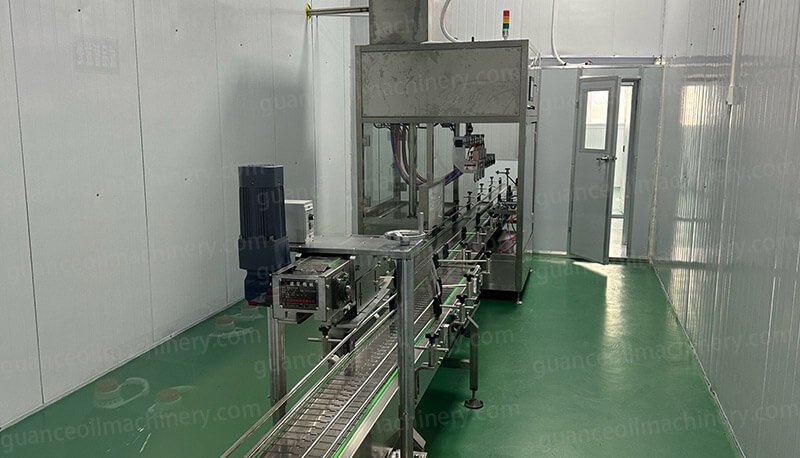
Automatic Bottling Of Finished Oil
Sunflower Seed Oil Extraction Machine for Small Scale
For small-scale operations, an efficient Small Batch Type Sunflower Seed Oil Refinery Plant is critical.
These machines are designed for limited-scale production while providing high-quality oil. Some benefits of small-scale extraction include:
Cost-Effective: Smaller machines require lower initial investment, making them perfect for farmers or small businesses.
Easy Operation: Small-scale extraction systems are simple to operate and require minimal maintenance.
Flexibility: Small-scale machines can process lower quantities of sunflower seeds, allowing for batch production that is manageable for smaller enterprises.
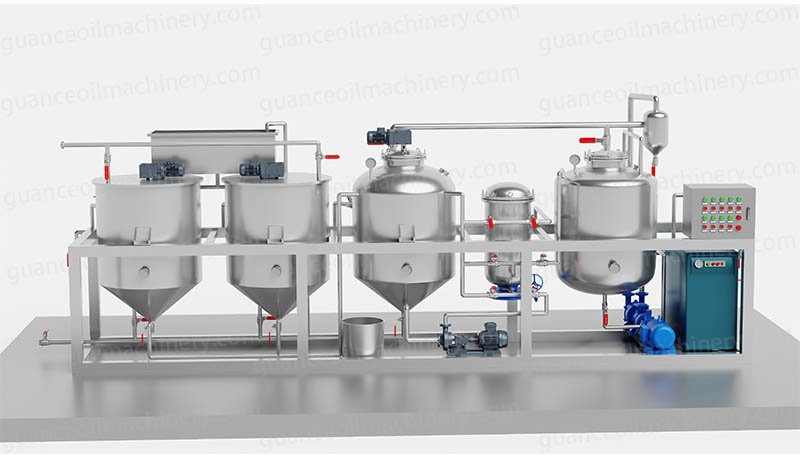
Small Batch Crude Oil Refinery
Sunflower Seed Oil Processing Plant Equipment Suppliers
Choosing Guance Machinery‘s Sunflower Seed Oil Processing Plant Equipment Suppliers is essential for the long-term success of your business.
Quality and Durability: The equipment is made from high-quality materials and designed for long-term performance.
After-Sales Support: We will provide one-stop solutions, including installation, training, and maintenance services eto.
Customization: Guance Machinery offer tailored solutions based on your plant’s production scale and specific needs.
Final Product
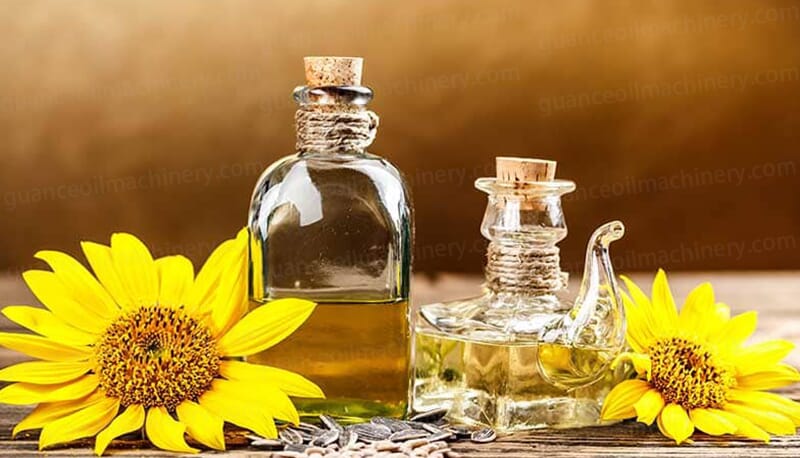
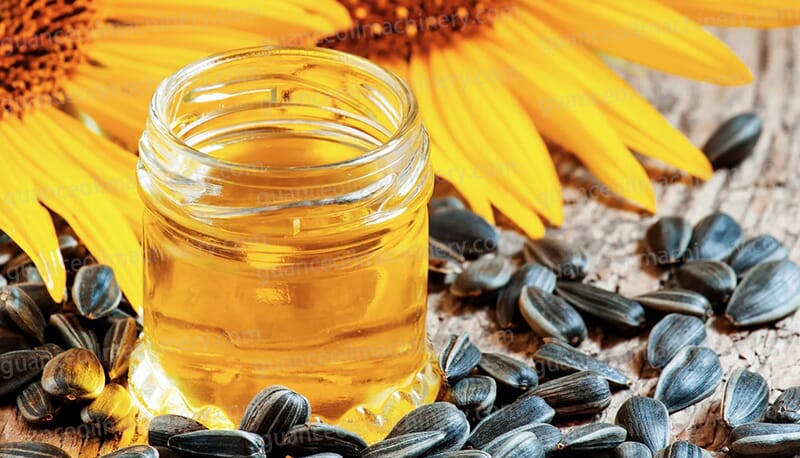
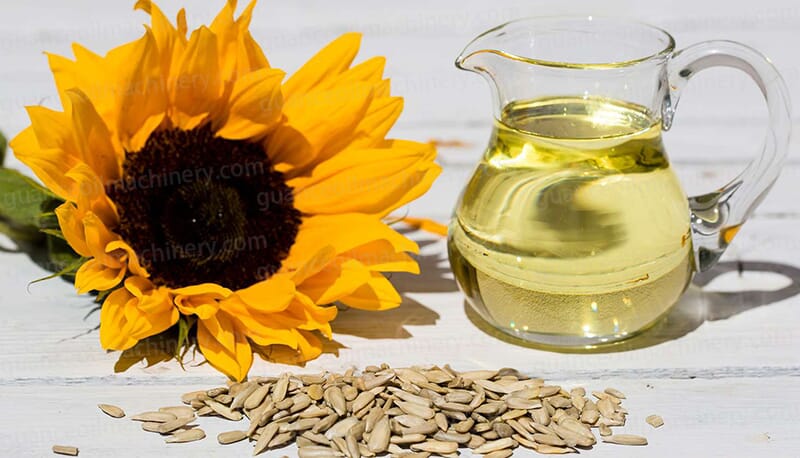
- Sunflower Seed Oil: Premium refined oil for cooking, frying, and salad dressings.
- Sunflower Seed Oil Cake/Meal: High-protein (up to 40%) meal for animal feed, especially for poultry and livestock.
- Sunflower Lecithin: Natural emulsifier for use in food, cosmetics, and pharmaceuticals.
- Sunflower Oil Fatty Acids (SFAs): High-quality fatty acids for biodiesel production, soap, and oleochemicals.
- Sunflower Oil Soapstock: By-product of oil refining for biodiesel production, animal feed, and industrial applications.
- Sunflower Hulls: Carbon-neutral biomass fuel for power generation, heating, and industrial applications.
Quality Indicators of refining sunflower seed Oil
| Item | Unit | Edible Grade 1 | Edible Grade 2 |
|---|---|---|---|
| Free Fatty Acid (FFA) | % | ≤ 0.05 | ≤ 0.10 |
| Moisture & Impurities | % | ≤ 0.05 | ≤ 0.10 |
| Color (Lovibond 5¼") | R | ≤ 2.0 | ≤ 3.0 |
| Cloud Point | °C | ≤ 4 | ≤ 6 |
| Peroxide Value | meq O₂/kg | ≤ 0.5 | ≤ 1.0 |

Frequently Asked Questions About Sunflower Seed Oil Processing Solutions
Q1: What is the ideal scale for setting up a sunflower seed oil processing plant?
A: For small businesses, a plant processing 1-10 tons per day is ideal. Larger operations can process over 100 tons per day, offering more flexibility for high-volume production.
Q2: How long does it take to refine sunflower oil?
A: The entire refining process can take anywhere from 2 to 4 hours, depending on the size of the plant and the technology used. It includes multiple stages such as degumming, neutralization, bleaching, and deodorization.
Q3: Can I set up a small-scale sunflower oil processing plant?
A: Yes, setting up a small-scale plant is possible with affordable extraction machines and refining units. These plants are a great starting point for small-scale entrepreneurs or farmers looking to enter the sunflower oil industry.
Ready to build your sunflower seed oil mill?
Contact us for a free consultation and equipment quote within 24 h. We offer services ranging from small oil presses to production lines and complete plant construction!
Request a quote now!
📩 Get Your Free Quote Today
Contact us today to discuss your project, capacity requirements, and target materials. Our team will reply within 24 hours with a customized proposal. You can also reach us directly at guanceoilmachinery@gmail.com — we are here to help!