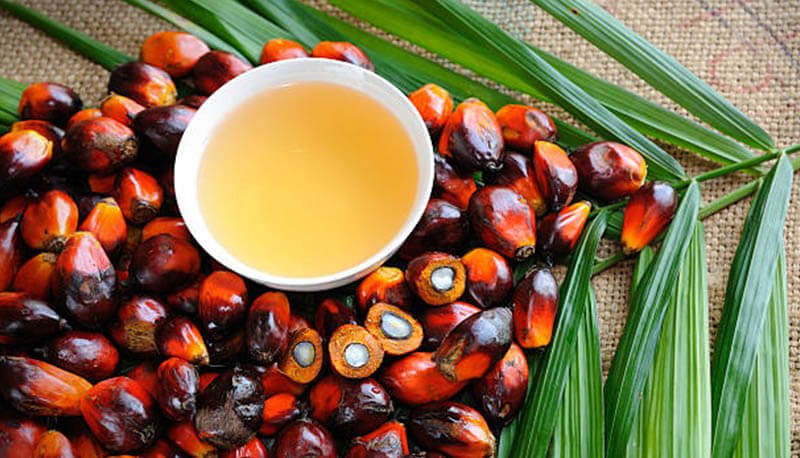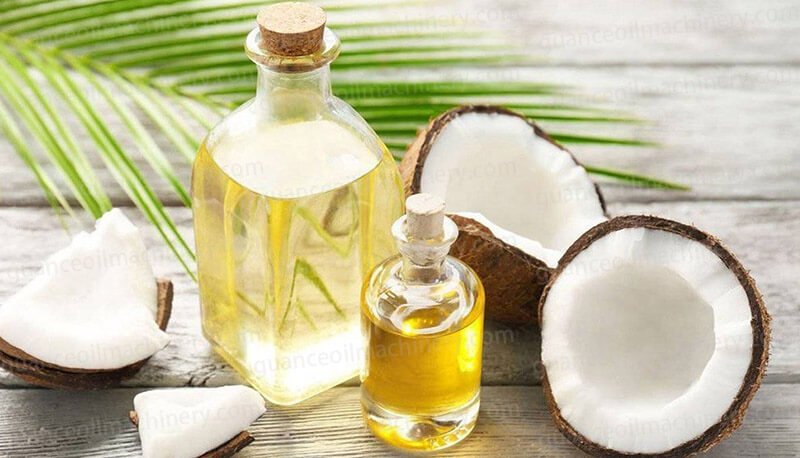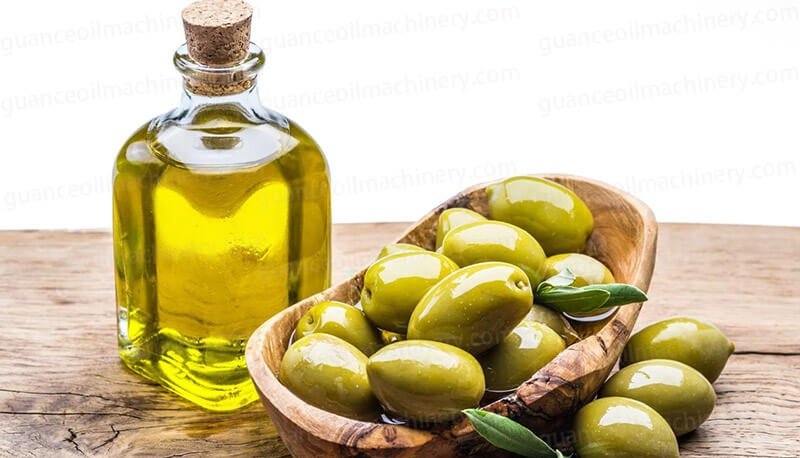
A Guance Machinery well-designed Palm Kernel Oil Processing Plant turns incoming whole kernels into stable, palm kernel oil suitable for food, cosmetics and industrial feedstocks.
Raw Materials to Finished Oil Legend
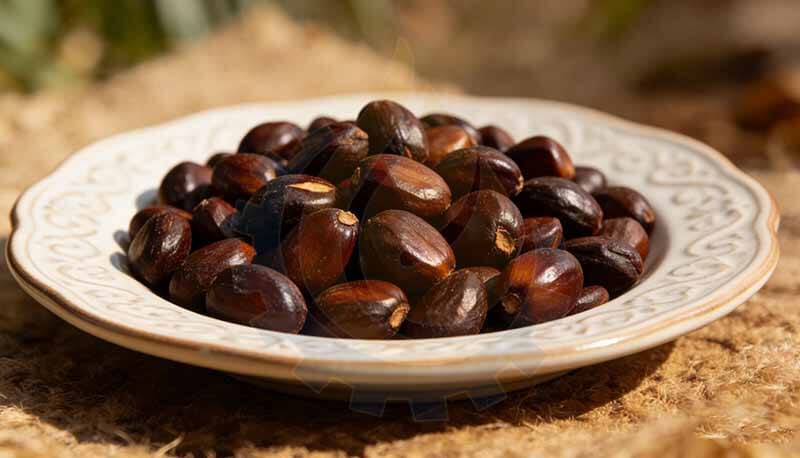
Palm Kernel
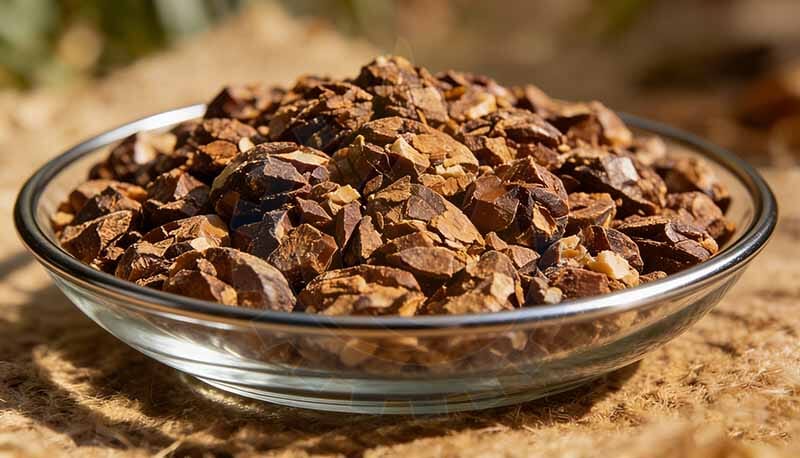
Palm Kernel Crusher
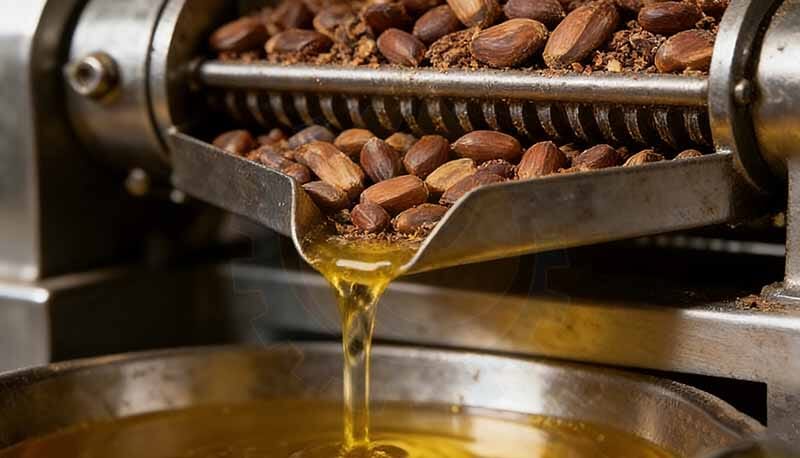
Palm Kernel Pressing
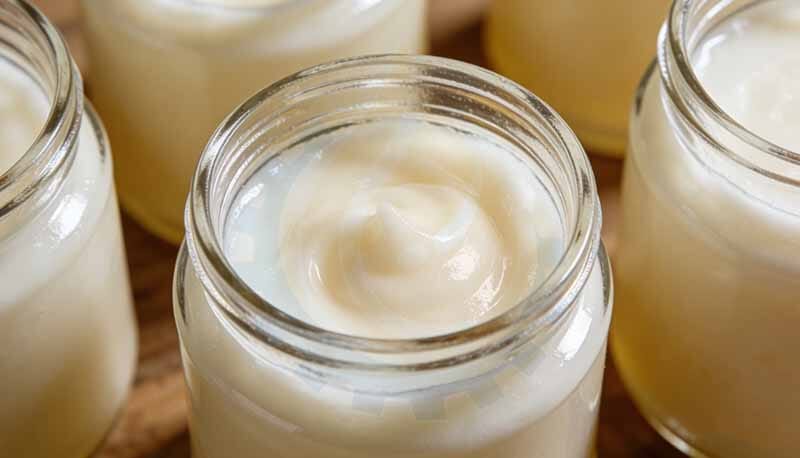
Palm Kernel Oil Renfining
Palm Kernel Oil Processing Flow Chart
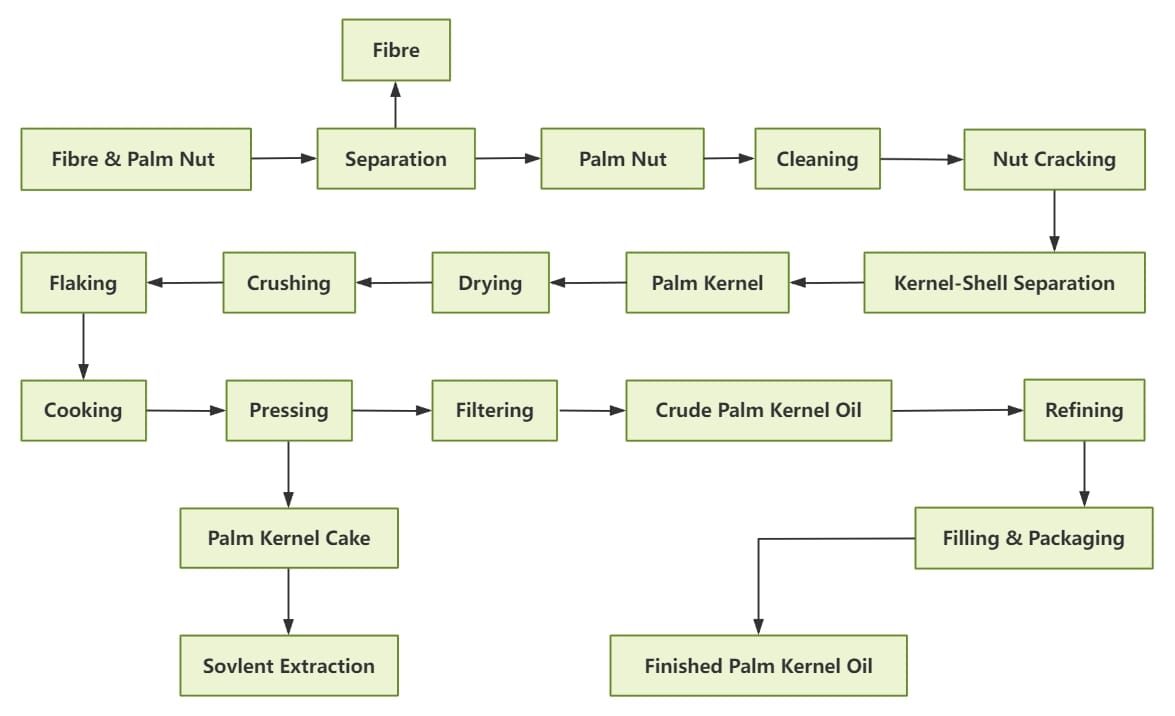
Palm Kernel Oil Processing Steps
Palm Kernel Pretreatment
Crushing: use crusher machine and oilseed cleaning machine remove shells to avoid abrasion and lower ash content of pressed oil.
Destoning: by oilseed destoner machine reduces abrasive solids that damage presses and filters.
Cooker: controlled heat and moisture soften palm kernel and redistribute oil for better screw oil press performance.
Design tip: target even particle size and kernel moisture; over-drying reduces yield, under-cooking harms press throughput.
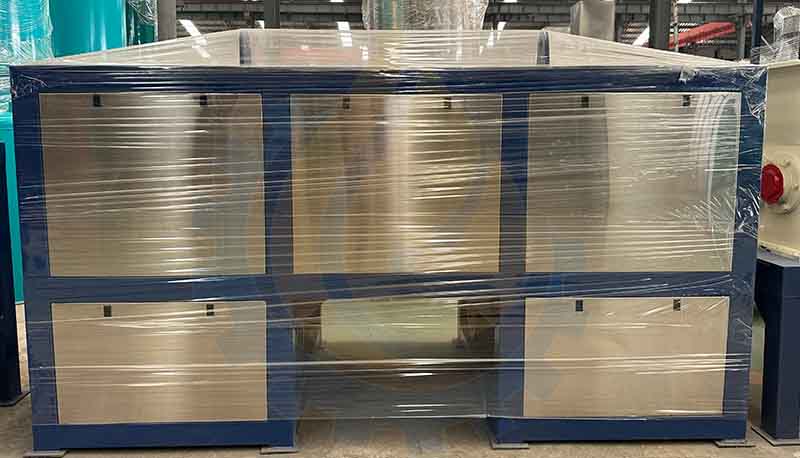
Crusher Machine
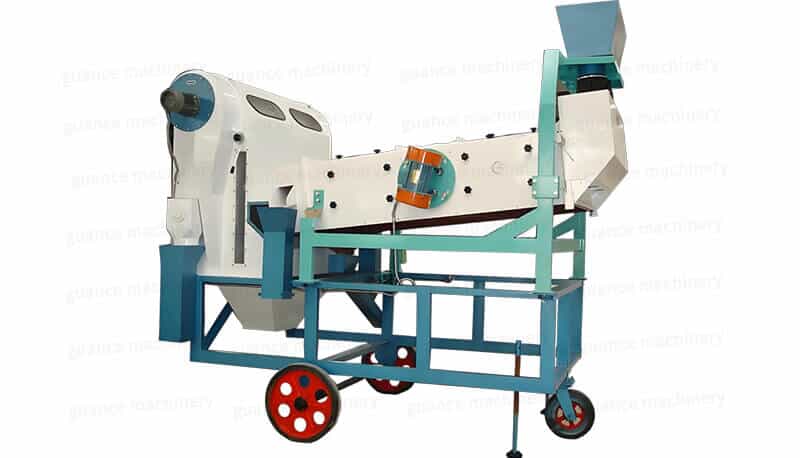
Oilseed cleaning Machine
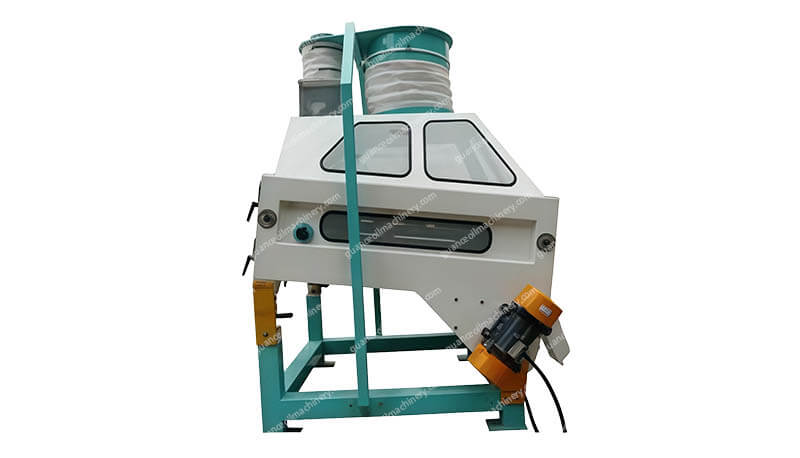
Destoner Machine
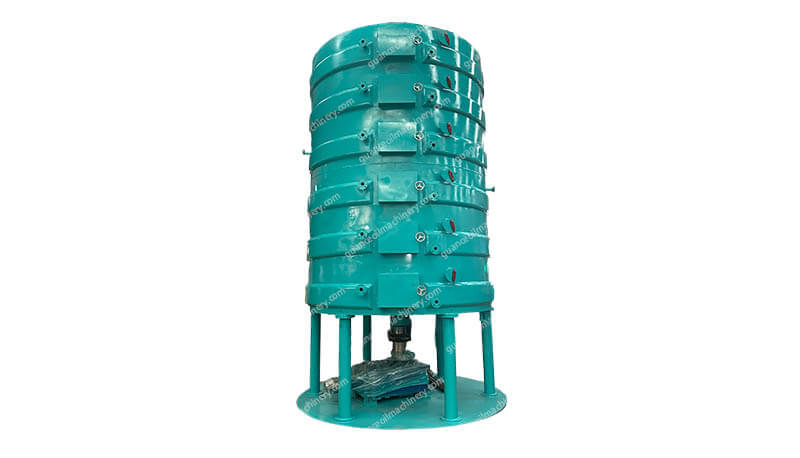
Cooker
Mechanical Pressing (Expelling)
1. Screw oil press: Press stage often reduces residual oil to \~12–18% in cake.
2. Press cake handling: discharged cake either sold or routed to solvent extraction.
If solvent extraction will be used, cake conditioning (oilseed flaking machine/puffing) is required for solvent access.

Screw Oil Press
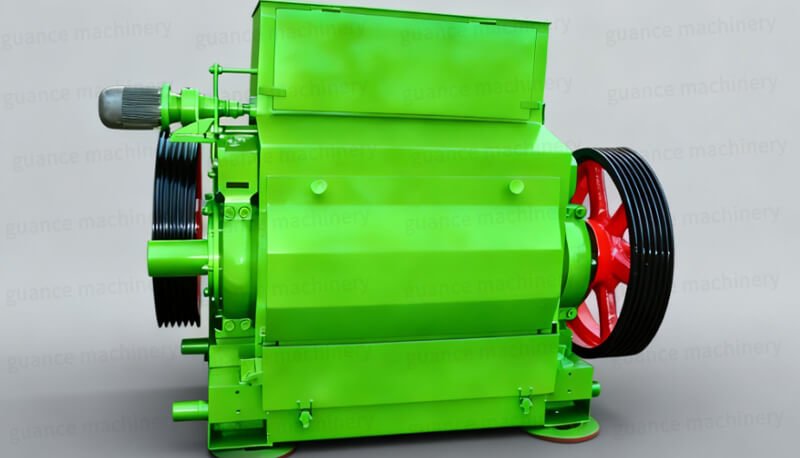
Oilseed Flaking Machine
Filtration & Clarification
Plate Oil Filter Machine + Centrifuge: remove fines and free water.
Oil storage tanks with heating and settling: enable gravimetric separation of sludge; mild heating (40–60°C) improves settling.
Solvent Extraction — Optional (For High Recovery)
Reduce residual oil in cake to <1–3%.
1. Desolventizing toaster: after extraction, cakes are desolventized and toasted to remove hexane and stabilize meal.
2. Solvent recovery train: evaporators, condensers and solvent recovery columns with inerting and explosion control.
3. Design note: oil solvent extraction improves overall recovery, many plants run pre-press + solvent extraction for best economics.
Physical Refining
1. Degumming: Physical refining (steam deodorization, bleaching, deacidification).
2. Bleaching: removes pigments and trace metals using activated bleaching earth.
3. Deodorization: steam distillation under vacuum to remove volatile odours and residual FFA.
4. Polishing & Centrifuge: final fine filtration before storage and bottling.
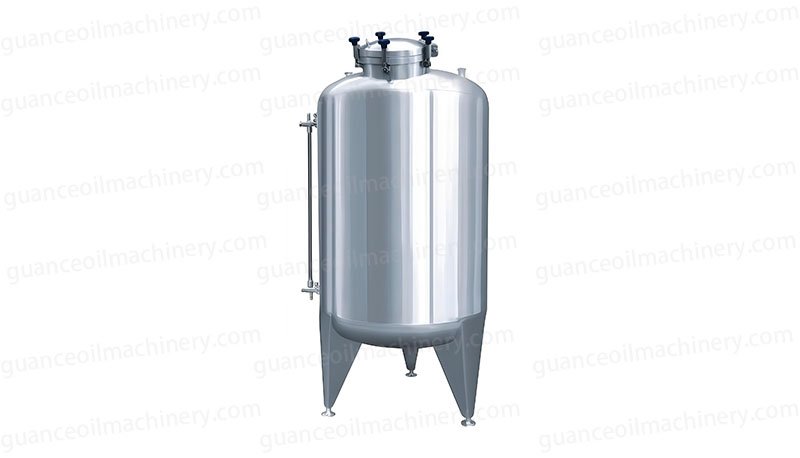
Degumming
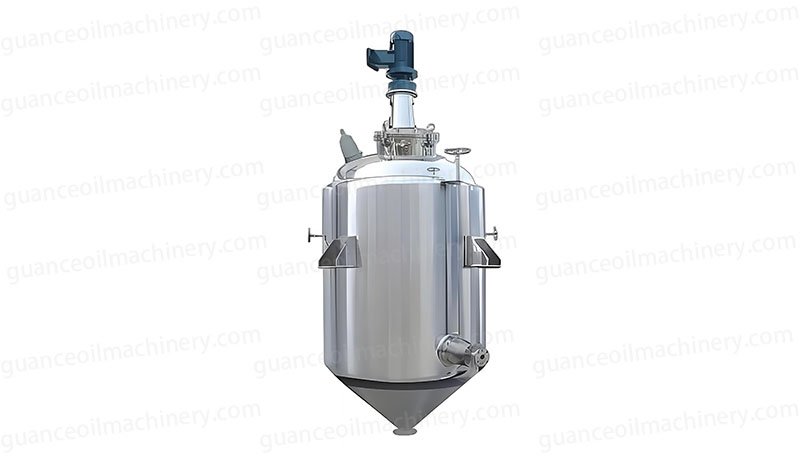
Decolorization
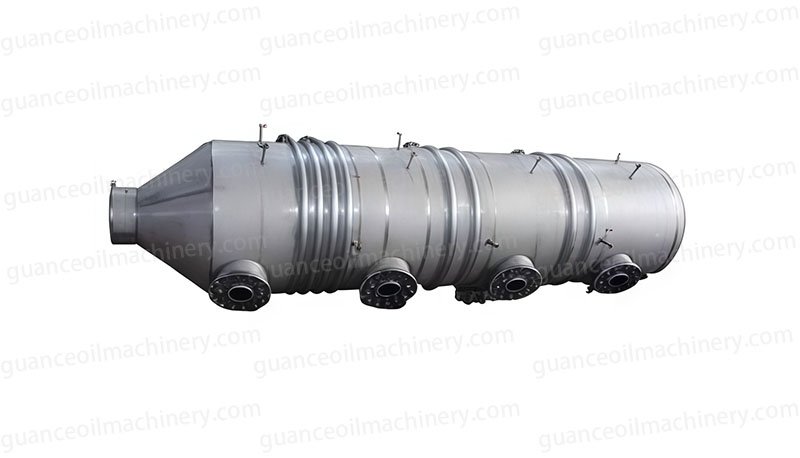
Deacidification
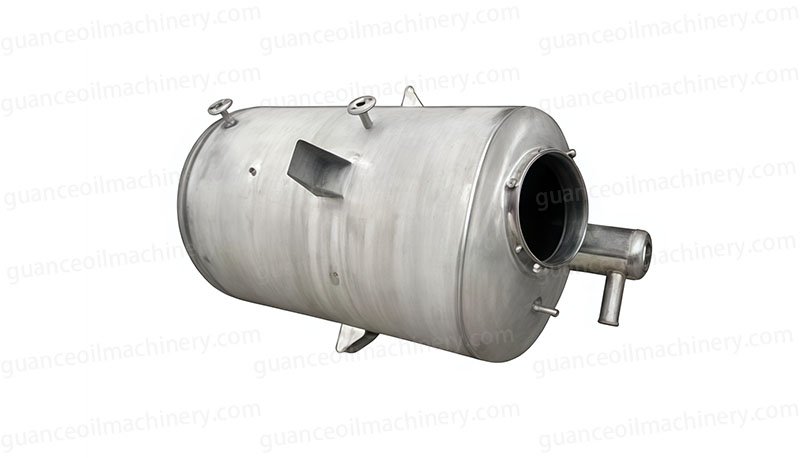
Deodorization
Packaging — Automatic Bottling
Include an automatic bottling machine sized to expected throughput: rinsing → filling → capping → labeling → shrink-wrapping.
Integration with CIP and metering systems improves hygiene and traceability.

Automatic Bottling Machine
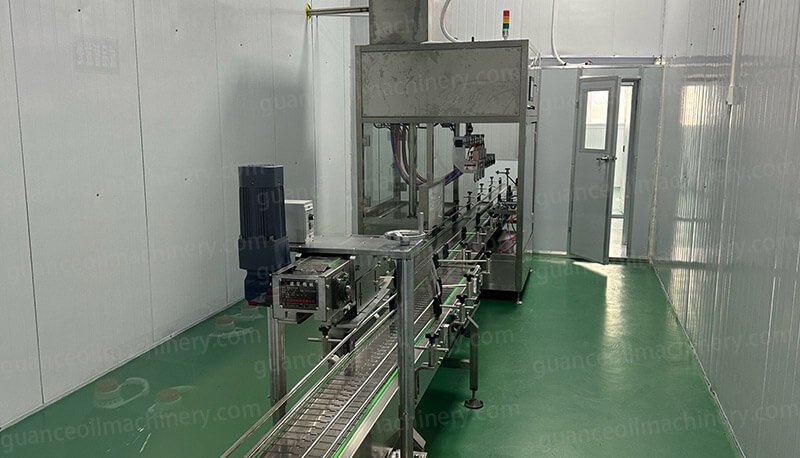
Automatic Bottling Of Finished Oil
Energy, Safety & Environmental Controls
Solvent safety: inerting, explosion-proof electricals, vapor recovery, monitoring. Use solvent containment and ATEX-rated equipment where applicable.
Effluent & waste: cake is a byproduct (animal feed or further processing); Install condensers and recovery for solvent and deodorizer distillates.
Energy integration: heat recovery from condensers, use of waste heat for cooking and tank heating reduces OPEX.
Practical Checklist For an RFP
1. Feedstock assay (moisture, kernel oil %, shell fraction, FFA).
2. Required daily throughput (t/day) and product specifications (edible/cosmetic/industrial).
3. Utilities availability: steam pressure, electricity, cooling water, solvent handling permissions.
4. Land & building constraints (footprint, headroom).
5. Emission controls and local regulatory requirements.
6. Budget targets and timeline for commissioning.
7. Spare parts & operator training package.
Final Product
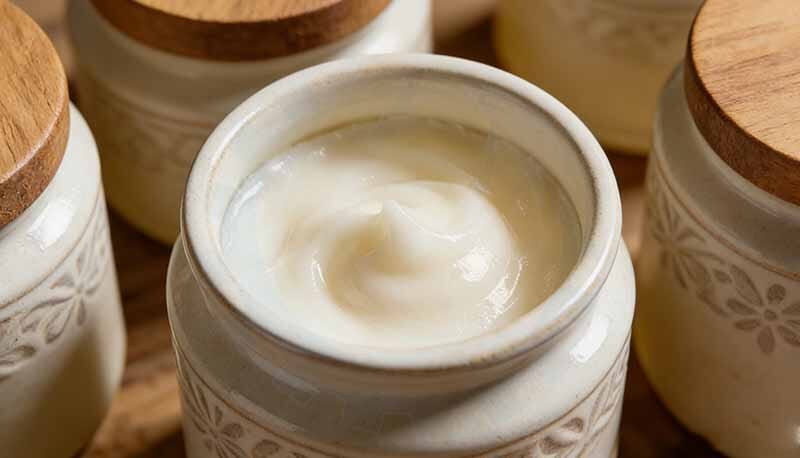
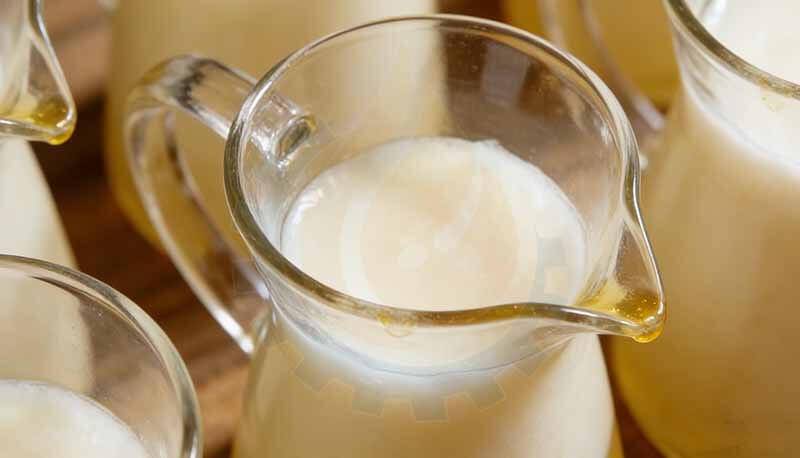
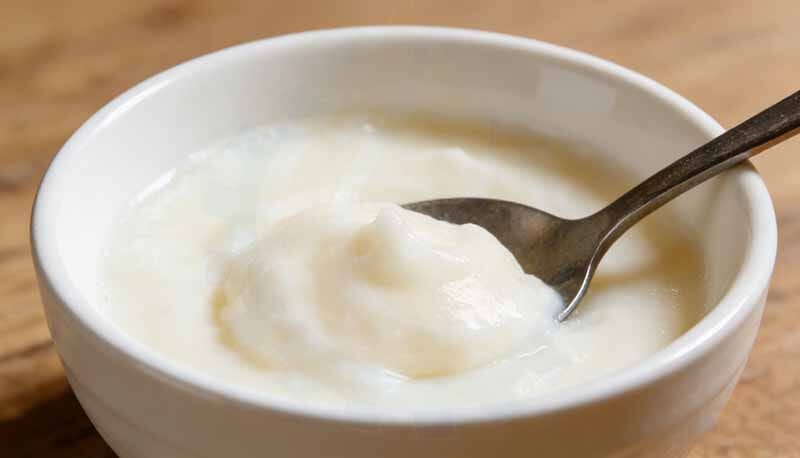
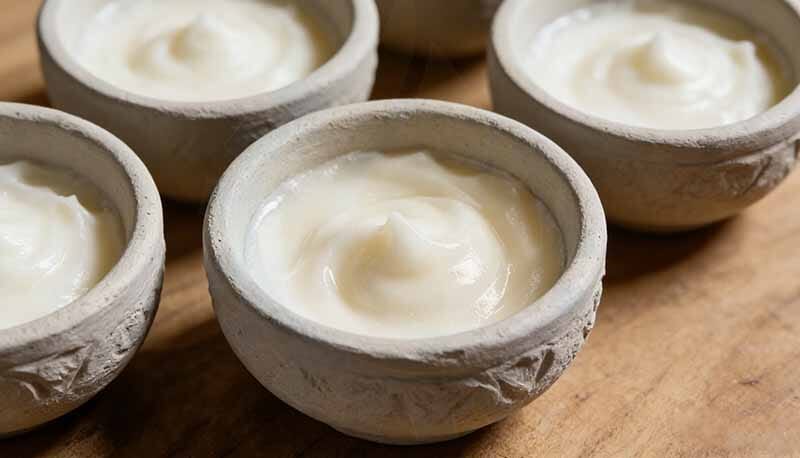
1. Refined Palm Kernel Oil (RPKO): Edible oil widely used in food and cosmetics industries.
2. Palm Kernel Cake (PKC): A high-protein feed ingredient for cattle and poultry with strong market demand.
3. Palm Kernel Shells (PKS): A biomass fuel sold to power plants and boiler factories.
4. Palm Kernel Sludge Oil: A low-grade oil used for soap making and biodiesel production.
5. Palm Fatty Acid Distillate (PFAD): A valuable raw material for oleochemical and biodiesel industries.
Quality Indicators of Refining Palm Kernel Oil
| Item | Unit | Edible Grade 1 | Edible Grade 2 |
|---|---|---|---|
| Free Fatty Acid (FFA as Lauric Acid) | % | ≤ 0.10 | ≤ 0.20 |
| Moisture & Impurities | % | ≤ 0.10 | ≤ 0.15 |
| Color (Lovibond 5¼") | R | ≤ 2.5 | ≤ 4.0 |
| Cloud Point | °C | ≤ 20 | ≤ 22 |
| Peroxide Value | meq O₂/kg | ≤ 1.0 | ≤ 2.0 |
| Iodine Value | g I₂/100g | 14 – 21 | 14 – 21 |
| Saponification Value | mg KOH/g | 240 – 260 | 240 – 260 |
| Melting Point | °C | 24 – 28 | 24 – 28 |

Palm Kernel Oil Processing in Related Issues
Q1: Do I need solvent extraction?
A: For small, low-CAPEX plants mechanical pressing alone may be enough.
Q2: Which refining method is best for palm kernel oil?
A: Physical (semi or fully continuous) refining more suitable and produce light-colour oil suitable for food and cosmetics.
Q3: What residual oil values are realistic?
A: If the raw materials meet the requirements, residual ~12–18% in cake; press + solvent: residual <1–3% after leaching/desolventizing.
How Guance Machinery Integrates Into the Solution?
Guance Machinery provides modular units from pretreatment through refining and can deliver a turnkey Palm Kernel Oil Processing Plant.
Contact us for a free consultation and equipment quote within 24 h.
Request a quote now!
📩 Get Your Free Quote Today
Contact us today to discuss your project, capacity requirements, and target materials. Our team will reply within 24 hours with a customized proposal. You can also reach us directly at guanceoilmachinery@gmail.com — we are here to help!