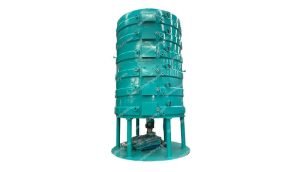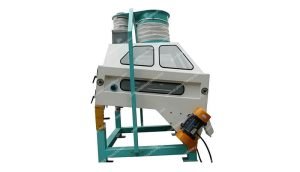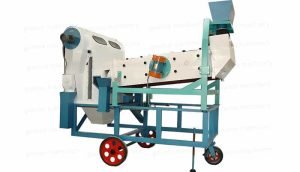
| Model | GCRLG100 | GCRLG150 | GCRLG200 | GCRLG250 |
|---|---|---|---|---|
| Capacity (t/d) | 20-30 | 30-50 | 50-100 | 100-150 |
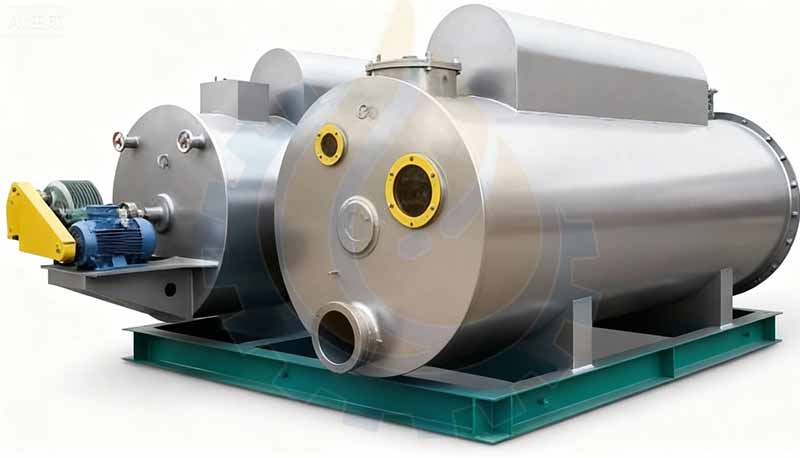
Guance Machinery is Closed Oil Rendering Pot of rendering animal fats (beef, pork, poultry, mixed trimmings) into tallow, lard or industrial fats.
Modes: Batch or continuous; wet (steam) or dry (indirect heat); optional vacuum dehydration
Key benefits: Higher recoverable fat, lower odour, repeatable process control, easier HACCP compliance.
How it Works — Simplified Process Flow
1. Preparation & feed: crusher machine reduces the raw material to a uniform particle size.
2. Heating: Jacketed vessel circulates steam or thermal oil to raise the charge temperature.
3. Separation: Melted fat rises above solids (cracklings). Controlled discharge and skimming feed a leaf filter for polishing.
4. Vapour handling: A closed hood routes vapour to condensers and separator; vacuum options lower boiling point and limit oxidation.
5. Filter & storage: Leaf filter removes entrained solids and water; filtered fat is cooled and stored or moved to oil refining plant.
Performance & Yield Guidance
| Raw materials | Production volume |
|---|---|
| Beef/pork trimmings | \~30–45% recoverable fat depending on trim type and particle size. |
| Poultry | \~25–35% depending on species & initial moisture. |
Contact Guance Machinery with your raw material and target throughput for a tailored selection.
Why Leaf Filter Matters in Oilseed / Edible Oil Processing
1. Ensures fully sealed rendering to prevent oxidation and improve fat quality.
2. Reduces odor emissions and keeps the workshop environment cleaner.
3. Supports stable heating control for consistent rendering performance.
4. Minimizes energy loss with insulated, closed-loop design.
5. Enhances safety by avoiding open boiling and steam exposure.
Q1: Can the pot be used for edible and industrial fats?
A: Yes — use food-grade stainless surfaces and HACCP documentation for edible fats; carbon-steel finishes are possible for industrial applications.
Q2: Should I choose wet (steam) or dry rendering?
A: Wet/steam rendering reduces burning and is common in plants producing edible tallow; dry/indirect heat is simpler but requires more careful temperature control.