Olive Oil Processing Plant: A Complete to Modern Production Solutions
An Olive Oil Processing Plant is an integrated facility that performs olive pretreatment, pressing, and automatic bottling of finished oil. Capacities range from 0.5 t/h (small-scale) to 200 t/h (super-high-volume).
The global demand for high-quality, especially extra virgin, olive oil is steadily rising.
Establishing a modern Olive Oil Processing Plant is a strategic venture, but it requires a deep understanding of the science, technology, and economics involved.
This entire process, from olive reception to bottling, highlighting the advanced olive oil extraction technology and sustainable practices.
Raw Material
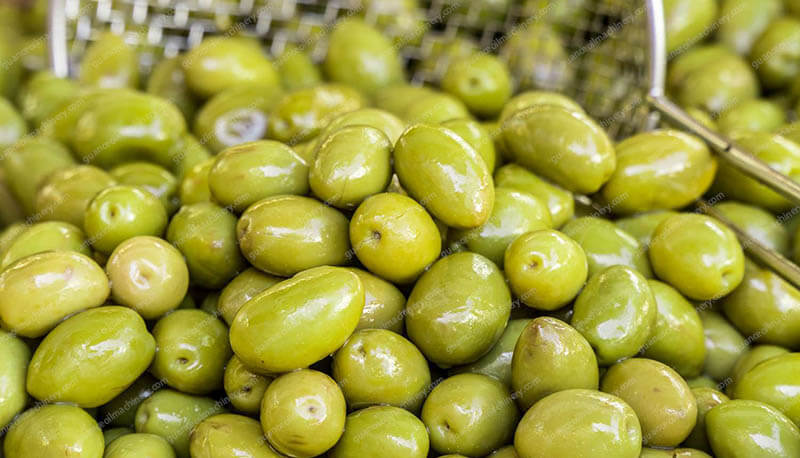
Olive

Olive Oil Pressing
The Core Process: From Olive to Oil
The quality of the final product is determined by the care and technology used at every step. A modern plant focuses on precision and minimal intervention to preserve the oil’s aroma, flavor, and health properties.
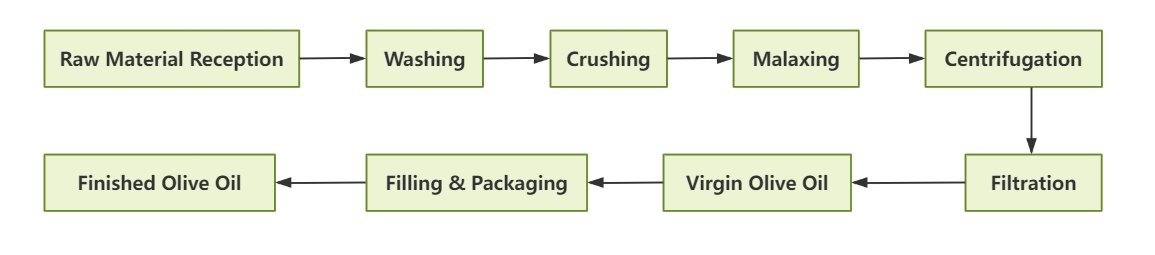
Olive Oil Processing Steps
1. Olive Pretreatment: Reception, Washing, and Leaf Removal
The process begins the moment olives arrive at the plant. They are weighed and graded. Leaves and twigs are removed using blowers, and the olives are thoroughly washed to eliminate dirt, pesticides, and other impurities. This initial olive oil pretreatment is crucial to prevent off-flavors in the final oil.
2. Crushing and Malaxation: The Heart of Extraction
The clean olives are then crushed into a paste using modern hammer or disc crushers. This paste is slowly stirred in a malaxer, a critical step where tiny oil droplets coalesce. Temperature control here is vital; true “cold-press” or cold-extraction means maintaining temperatures below 27°C (80°F) to protect delicate flavors and phenolic compounds.
3. Oil Separation: Pressing vs. Centrifugation
This stage separates the oil from the solid paste and vegetable water.
Pressing
The traditional method, where the paste is spread on mats and pressed hydraulically.
Centrifugation (Decanting)
The modern standard. The paste is fed into a horizontal centrifuge (decanter) that uses high-speed rotation to separate the oil from the pomace and water. This method is more efficient, hygienic, and continuous.
The choice of olive oil processing equipment here directly impacts yield and quality.
4. Filtration and Storage
The extracted oil may be filtered to remove any remaining solid particles, enhancing its shelf life and clarity. It is then stored in airtight, temperature-controlled stainless steel tanks, protected from light and oxygen, to prevent degradation before automatic bottling of finished oil.

Olive Oil Pretreatment Steps
Reception, Washing, and Leaf Removal
The process begins the moment olives arrive at the plant. They are weighed and graded. Leaves and twigs are removed using blowers, and the olives are thoroughly washed to eliminate dirt, pesticides, and other impurities. This initial olive pretreatment is crucial to prevent off-flavors in the final oil.
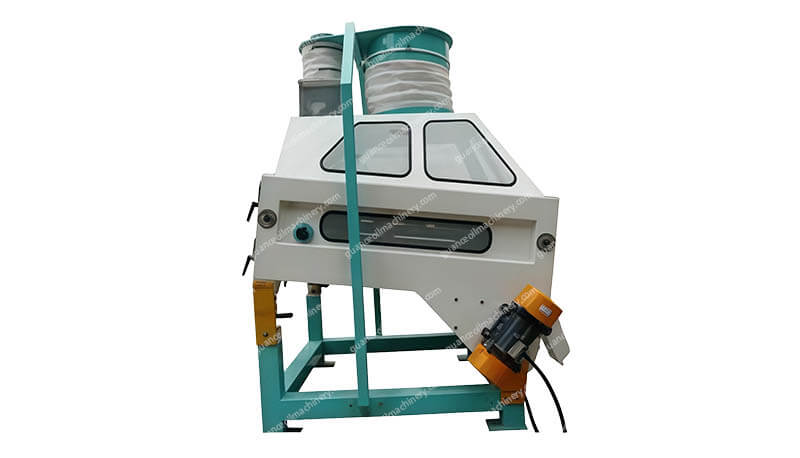
Oilseed Destoner Machine
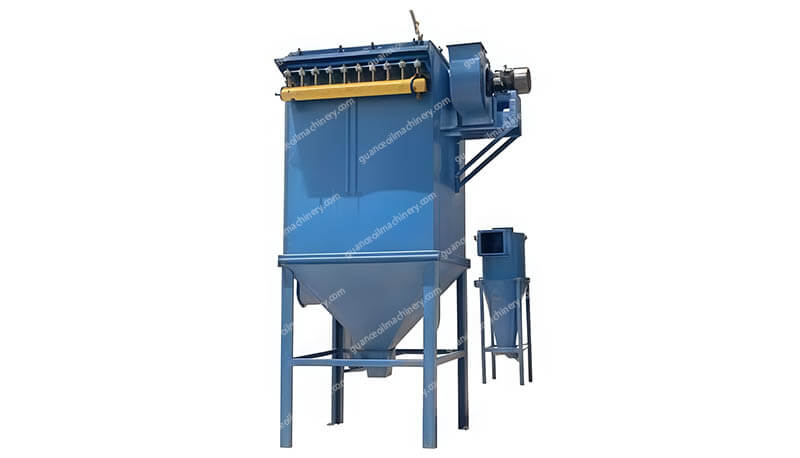
Pulse Dust Collector
Crushing and Malaxation
The clean olives are then crushed into a paste using modern hammer or disc crushers. This paste is slowly stirred in a malaxer, a critical step where tiny oil droplets coalesce. Temperature control here is vital; true “cold-press” or cold-extraction means maintaining temperatures below 27°C (80°F) to protect delicate flavors and phenolic compounds.
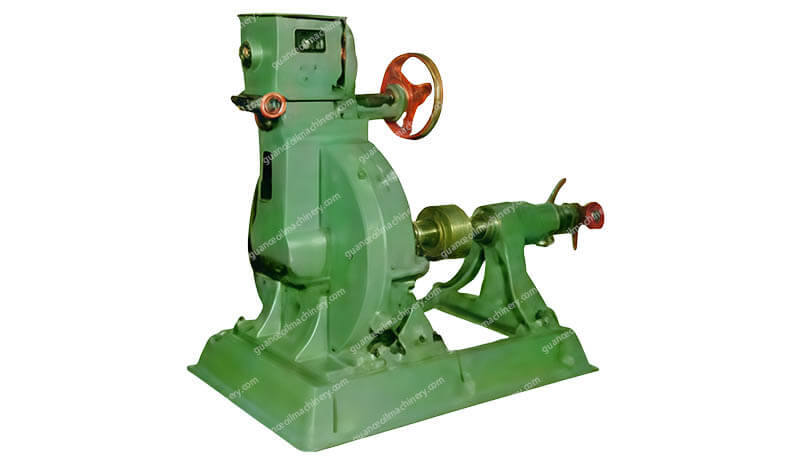
Sheller Machine (Disc)
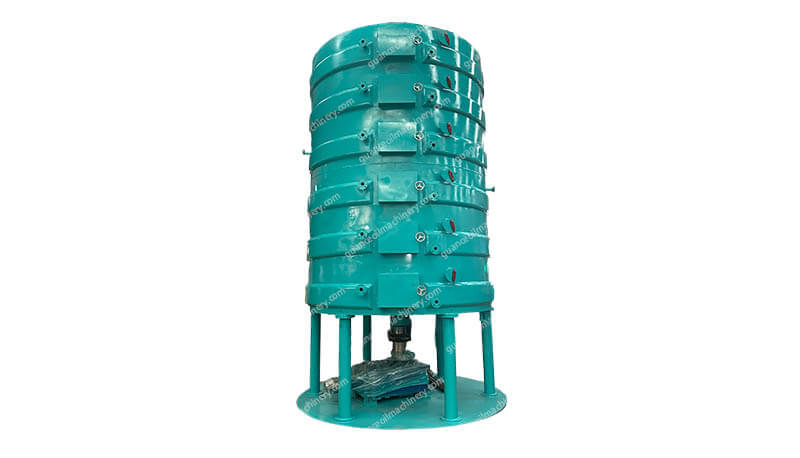
Vertical Oilseeds Steam Cooker
Pressing Extraction Process
Pressing vs. Centrifugation
This stage separates the oil from the solid paste and vegetable water.
Pressing: The traditional method, where the paste is spread on mats and pressed hydraulically.
Centrifugation (Decanting): The modern standard. The paste is fed into a horizontal centrifuge (decanter) that uses high-speed rotation to separate the oil from the pomace and water. This method is more efficient, hygienic, and continuous.

Screw Oil Press

Disc Stack Centrifuge
Filtration and Storage
The extracted oil may be filtered to remove any remaining solid particles, enhancing its shelf life and clarity. It is then stored in airtight, temperature-controlled stainless steel tanks, protected from light and oxygen, to prevent degradation before automatic bottling of finished oil.
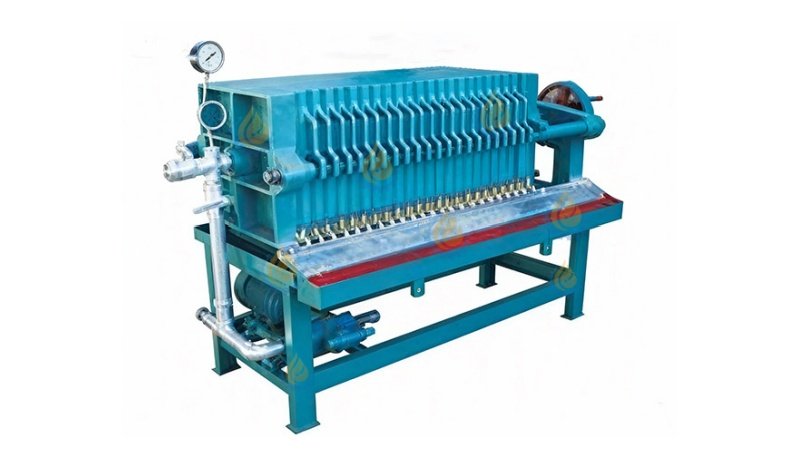
Plate Oil Filter Machine

Automatic Bottling Machine
Whether you’re planning a small scale olive oil processing plant or a large industrial facility, the configuration will scale accordingly.
For a hassle-free setup, many opt for a turnkey olive oil production line where a Guance Machinery supplier provides all equipment, installation, and commissioning.
Quality Focus: Achieving Extra Virgin Status
Not all olive oil is created equal. Extra virgin olive oil is the highest grade, characterized by:
- Free acidity below 0.8%
- Flawless taste and aroma in a sensory (organoleptic) assessment.
- No signs of thermal degradation.
The strict olive oil pretreatment, oil pressing plant, and automatic bottling of finished oil controls in a modern plant are designed to meet these standards.
Sustainable Olive Oil Processing: An Industry Imperative
Modern plants are increasingly adopting eco-friendly practices. Sustainable olive oil processing isn’t just good for the planet; it’s a powerful market differentiator. Key practices include:
Water Recycling: Reusing the water from the washing stage.
Pomace Valorization: The solid waste (pomace) can be used as biofuel, compost, or for further extraction of pomace oil.
Energy Efficiency: Using energy-efficient motors and harnessing solar power.
Zero-Waste Goals: Implementing systems to utilize all by-products.
Frequently Asked Questions About Olive Oil Processing Solutions
Q1: Is a fully automatic bottling line necessary?
A: While not strictly necessary for a very small start-up, an automatic bottling of finished oil line becomes essential for efficiency and scalability as your business grows. It ensures precise filling, capping, and labeling, which minimizes labor costs, reduces oxygen exposure (which degrades oil), and presents a professional product for the market.
Q2: What kind of staff is required to operate the plant?
A: The personnel needed depend on the level of automation. A basic plant might require 5-6 operators per shift for material handling, machine monitoring, and quality checks. A fully automated turnkey olive oil production line will require fewer.
Q3: Do you offer custom-designed solutions?
A: Yes. Reputable suppliers don’t just sell machines; they provide solutions. We analyze your specific goals, available fruit supply, budget, and site conditions to recommend the optimal olive oil processing equipment and layout, whether it’s a compact system or a full turnkey olive oil production line.
Why choose Guance Machinery solutions?
Guance Machinery olive oil processing provides one-stop solutions, tailor-made for you standards. (Related Cases: 20TPD Olive Oil Refinery Equipment Exported to Belgium)
Ready to build your olive oil mill?
Ready to turn your vision into reality? Contact Guance Machinery today for a free, no-obligation consultation and a customized quote for your own turnkey olive oil production line.
Request a quote now!
📩 Get Your Free Quote Today
Contact us today to discuss your project, capacity requirements, and target materials. Our team will reply within 24 hours with a customized proposal. You can also reach us directly at guanceoilmachinery@gmail.com — we are here to help!