Rapeseed Oil Processing: Efficient Production and Quality Control
It handles every stage of rapeseed oil processing, from initial cleaning to final bottling.
The oil extracted from rapeseed has numerous applications in cooking, biodiesel production, and industrial uses.
Guance Machinery will take you through the various stages of rapeseed oil processing, the equipment involved, and the key considerations for ensuring optimal production, refining, and quality control.
Raw Materials to Finished Oil Legend
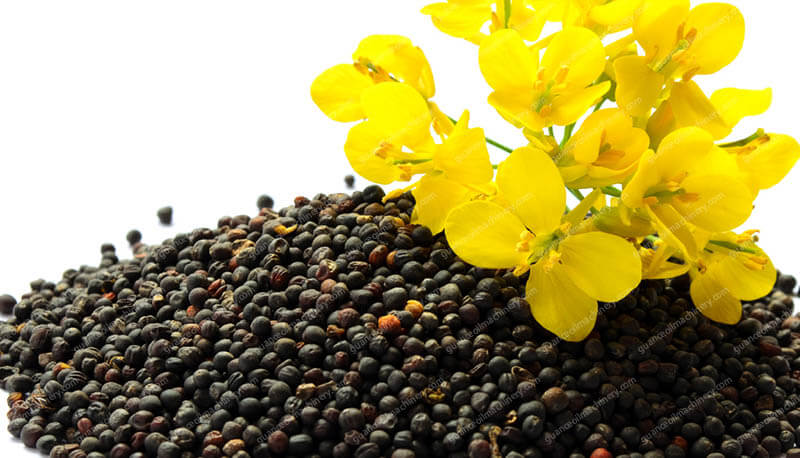
Rapeseed
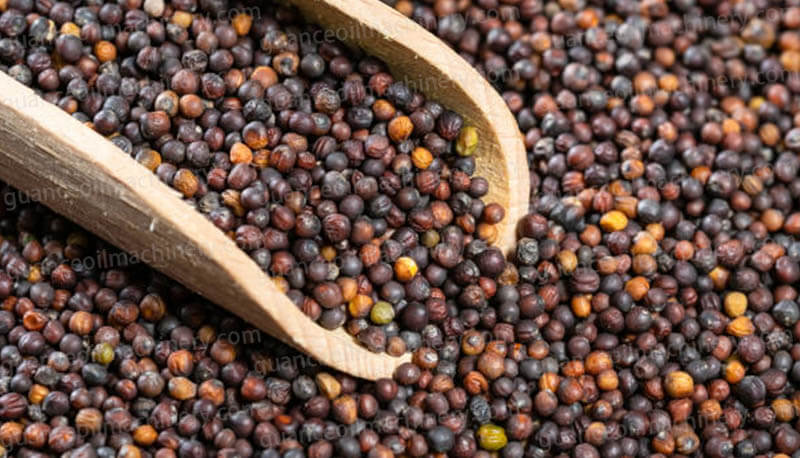
Cleaning Rapeseed
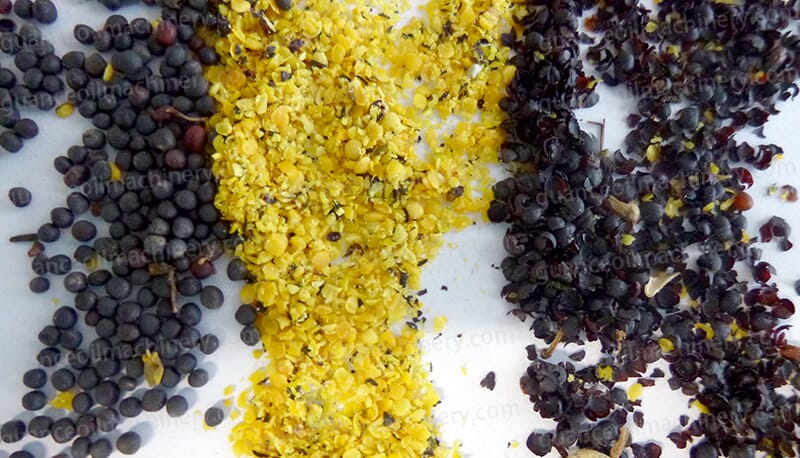
Rapeseed Oil Pressing
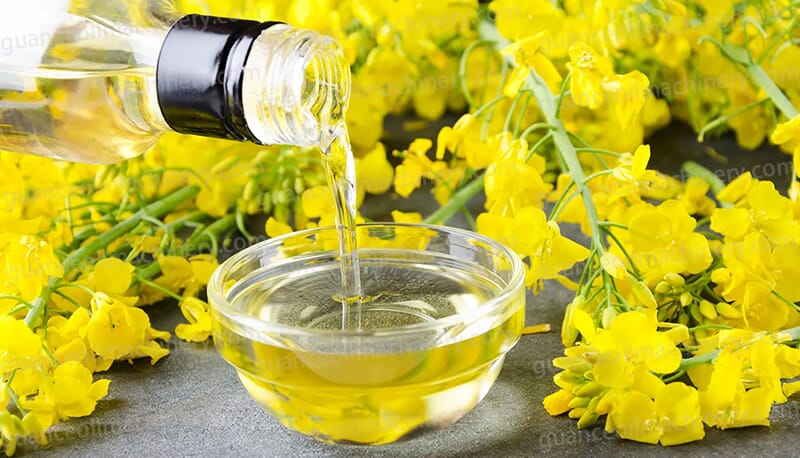
Rapeseed Oil Refining
Overview of Rapeseed Oil Production Process
The production of rapeseed oil involves several key stages, each requiring specialized equipment and careful monitoring to ensure high-quality output.
These stages include rapeseed oil pretreatment, oil pressing, oil refining, and automatic bottling of finished oil.
Step-by-Step Rapeseeds Oil Processing Solutions Flow Chart

Main Steps Rapeseed Oil Production
Rapeseed Oil Pretreatment
This stage involves cleaning the rapeseed to remove impurities like dust, stones, and other foreign materials.
The seeds are then conditioned by adjusting moisture levels to ensure efficient oil extraction.
Pre-treatment also includes crushing or flaking the seeds to facilitate the pressing process.
Pretreatment process & Key equipment:
Cleaning Machines: For removing impurities.
Conditioning Units: To adjust moisture levels.
Flaking Mills: To crush or flake seeds for efficient oil extraction.
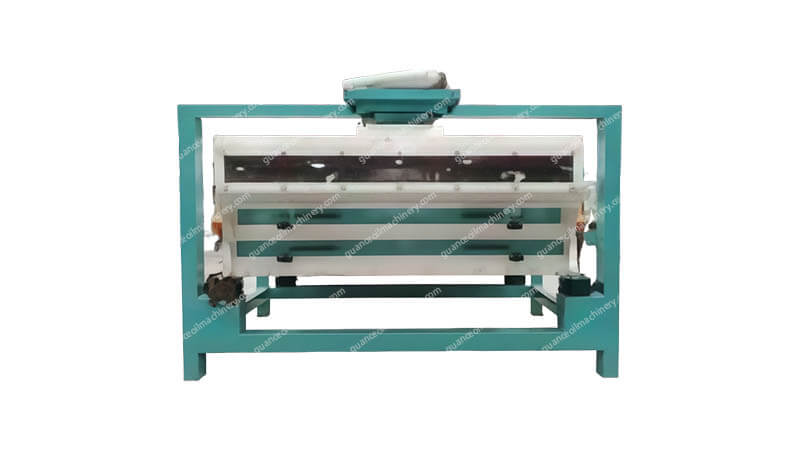
Sheller Machine (Kernel Shell)
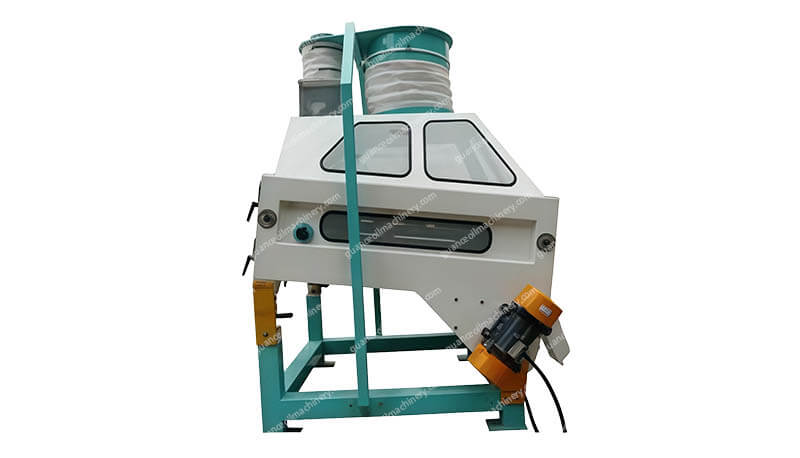
Oilseed Destoner Machine
Pressing: The Core of Oil Extraction
The process begins with pretreating the rapeseeds, followed by pressing them.
This is the most common method for extracting oil from rapeseed, especially when cold pressing is preferred to retain natural nutrients and flavor.
During pressing, the rapeseed is fed into an oil expeller, where mechanical pressure is applied to extract the oil.
The oil obtained at this stage is often termed “crude rapeseed oil” and requires further refining.
Rapeseed Oil Pressing Equipment:
Oil Expellers: To apply pressure and extract oil.
Pre-Press Machines: Used when high oil content is present, providing a first-pass extraction before final pressing.
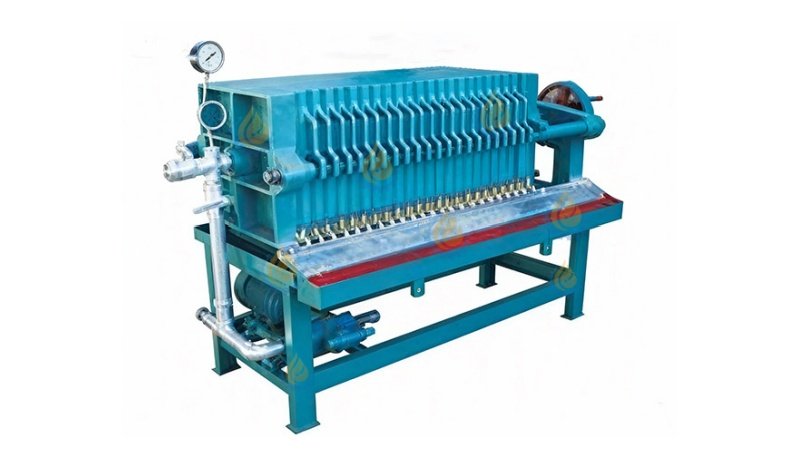
Plate Oil Filter Machine

Screw Oil Press
Refining and Quality Control
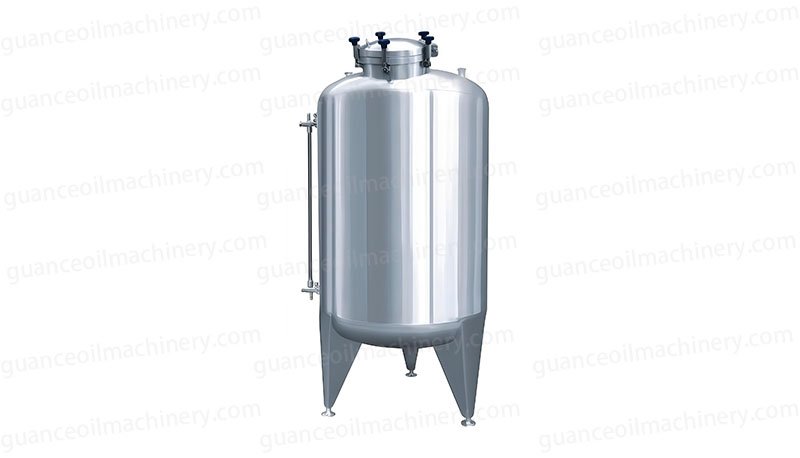
Degumming
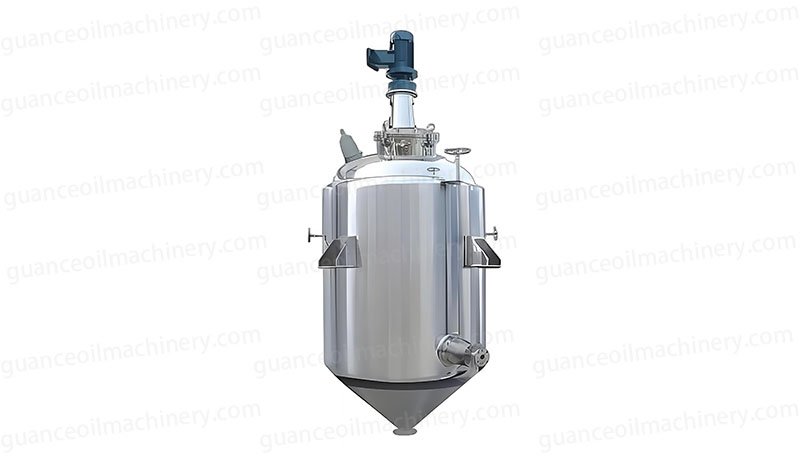
Decolorization
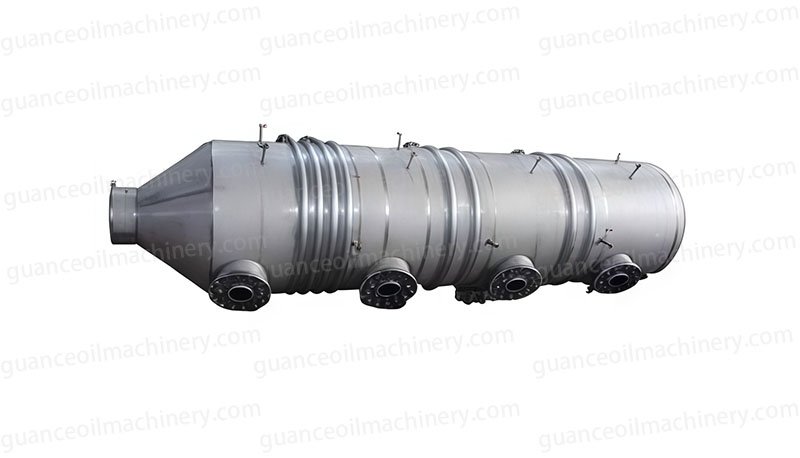
Deacidification
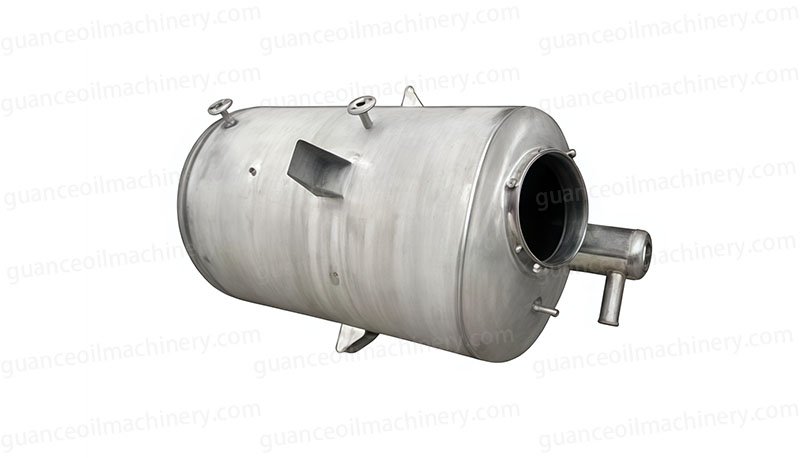
Deodorization
Crude rapeseed oil typically contains impurities like free fatty acids, phospholipids, pigments, and other substances that affect its quality and stability.
Refining is therefore a critical step in improving the quality of the oil. (Related Cases: 50TPD Rapeseed Oil Refinery Equipment Exported to Argentina)
The refining process involves several stages:
Degumming: Removes phospholipids and gums.
Neutralizing: Reduces free fatty acids.
Bleaching: Removes color pigments.
Deodorizing: Eliminates any undesirable odors.
Key Equipment in Refining:
Degumming Units: For phospholipid removal.
Neutralizers: To lower free fatty acid content.
Bleaching Filters: To remove color and impurities.
Deodorizers: For odor elimination.
Automatic Bottling of Finished Oil
Once the rapeseed oil is refined, it is ready for packaging.
Automatic bottling systems are used to ensure the efficient and hygienic packaging of the oil into various container sizes, ready for market distribution.
These systems are equipped with features like filling, capping, and labeling, ensuring high-speed operation and minimal human intervention.
Bottling Equipment:
Filling Machines: For accurate oil dispensing.
Capping Machines: To securely close containers.
Labeling Systems: To ensure proper product identification.

Automatic Bottling Machine
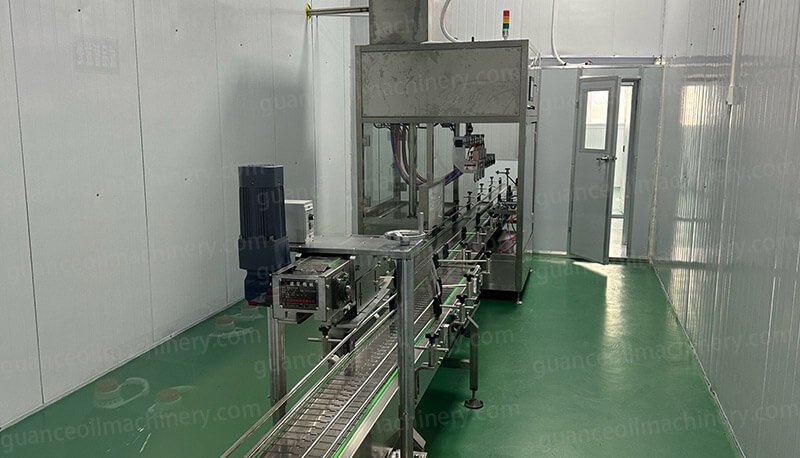
Automatic Bottling Of Finished Oil
The efficiency and quality of the oil processing plant depend largely on the technology and equipment used.
Investing in high-quality Guanma Machinery machinery will increase throughput, reduce waste, and improve product quality.
Rapeseed Oil Processing Plant Capacity and Production
The capacity of a Rapeseed Oil Processing Plant varies depending on the size of the plant and the specific needs of the business.
Typically, plants can process anywhere from small-scale operations handling a few tons of rapeseed per day, to large-scale industrial facilities capable of handling hundreds of tons daily.
Small-Scale Plants: 1 to 10 tons per day.
Medium-Scale Plants: 20 to 50 tons per day.
Large-Scale Plants: 100 tons or more per day.
A production output is directly related to the plant’s capacity and the technology used in the processing stages.
A larger plant will be able to process more seeds, increasing overall oil production.
Rapeseed Oil Refining and Quality Control
Maintaining the highest quality of rapeseed oil requires effective refining and quality control measures.
As mentioned, the refining process removes impurities, improves taste, and ensures stability.
For quality control:
Regular laboratory testing is performed to monitor the quality of the crude oil and the refined oil.
The refined oil is then tested for purity, color, flavor, and shelf life.
Final Product
- Rapeseed Oil: premium refined RBD rapeseed oil for frying, baking, and export.
- Rapeseed Meal: 36% protein meal for animal feed, high in fiber and essential amino acids, non-GMO certified.
- Rapeseed Oil Cake: 38% protein meal for livestock feed, rich in antioxidants and nutrients, non-GMO certified.
- Rapeseed Fatty Acid Distillate: 90% FFA RFA for biodiesel production, oleochemicals, and industrial uses.
- Rapeseed Stearin: hard stock for margarine, shortening, and confectionery fats.
- Rapeseed Hulls: biomass fuel for power plants and industrial heating, carbon-neutral alternative.
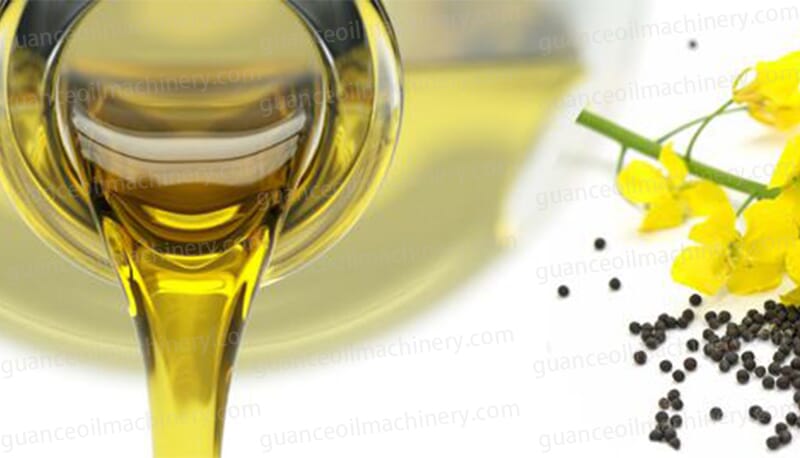


Quality Indicators of Refining Rapeseed Oil
| Item | Unit | Edible Grade 1 | Edible Grade 2 |
|---|---|---|---|
| Free Fatty Acid (FFA) | % | ≤ 0.05 | ≤ 0.10 |
| Moisture & Impurities | % | ≤ 0.05 | ≤ 0.10 |
| Color (Lovibond 5¼") | R | ≤ 3.0 | ≤ 4.0 |
| Cloud Point | °C | ≤ 4 | ≤ 6 |
| Peroxide Value | meq O₂/kg | ≤ 0.5 | ≤ 1.0 |

Frequently Asked Questions About Rapeseed Oil Processing Solutions
Q1: What is the ideal capacity for a Rapeseed Oil Processing Plant?
A: The ideal capacity depends on the plant’s business model, but most plants range from small (1-10 tons per day) to large-scale operations (100+ tons per day).
Q2: How long does the refining process take?
A: The refining process usually takes several hours to complete, depending on the amount of crude oil and the specific stages of refining needed.
Q3: What are the environmental impacts of rapeseed oil production?
A: Guance Machinery equipment incorporate sustainable practices, using renewable energy and minimizing waste.
Ready to build your rapeseed oil mill?
Contact us for a free consultation and equipment quote within 24 h. We offer services ranging from small oil presses to production lines and complete plant construction!
Request a quote now!
📩 Get Your Free Quote Today
Contact us today to discuss your project, capacity requirements, and target materials. Our team will reply within 24 hours with a customized proposal. You can also reach us directly at guanceoilmachinery@gmail.com — we are here to help!