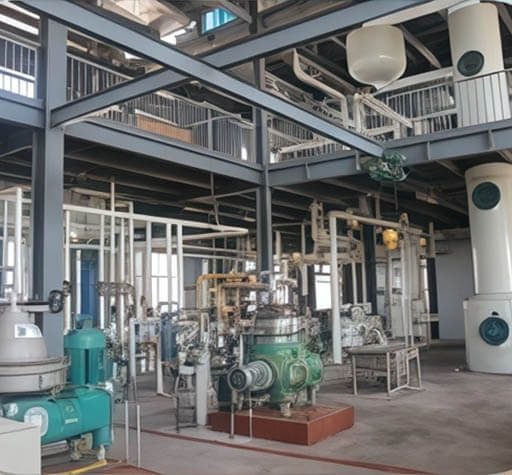
Guance Machinery of Soybean Oil Extraction and Refining Lines, providing a clear, stage-by-stage overview.
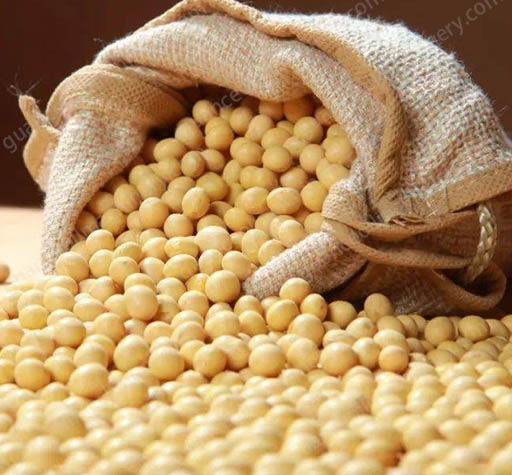
Part 1: The Extraction Process – From Bean to Crude Oil
The journey begins with extracting oil from the soybean. Each stage prepares the material for the next, imizing efficiency.
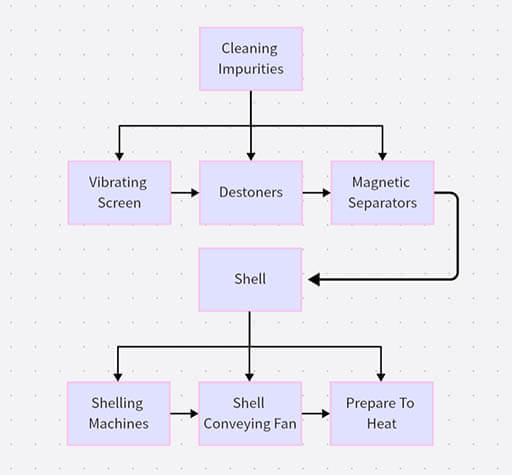
Cleaning and Dehulling: Impurities (stones, metals) and hulls are removed. Hulls absorb oil and reduce yield, so effective “Oilseed Destoner Machine” is critical for profitability.
Conditioning (Heating and Drying): The cleaned soybean are heated and adjusted to an optimal moisture level.
This step, known as conditioning, plasticizes the beans, making the oil easier to extract and improving the efficiency of the subsequent “soybean oil screw oil press“.
Oil Extraction: This is typically a two-stage process
1. Pre-pressing
For high-oil-content seeds like soybeans, a screw press is first used to remove a large portion of the oil, creating “pre-pressed cakes.”
This is more efficient than direct solvent extraction for high-volume processing.
2. Solvent Extraction
The pre-pressed cakes are then sent to an extractor where a food-grade solvent (like hexane) washes out the remaining oil. This step achieves extraction rates of over 97%. The solvent is then recovered from both the crude oil and the meal (by-product) in a closed-loop system for safety and cost-efficiency.
The output of this stage is Crude Soybean Oil, which contains impurities, and soybean meal.
Part 2: The Refining Process – Purifying Crude Oil to Edible Grade
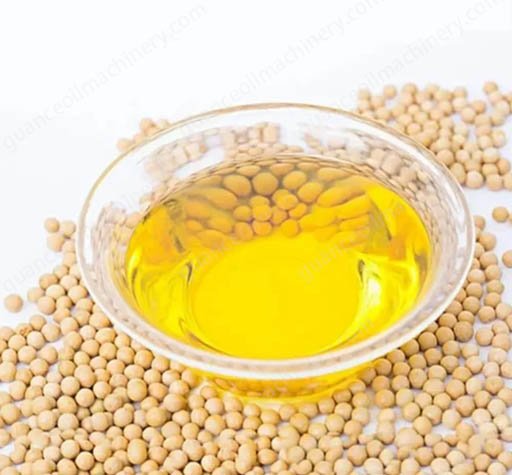
The Oil Refinery Line removes impurities to make the oil clear, stable, and palatable.
There are two main pathways: chemical and physical refining. The choice depends on the quality of the crude oil and the desired end product.
Degumming: This first refining step removes phospholipids (gums). These gums can be sold as lecithin, a valuable by-product. Effective degumming is essential to prevent issues in later stages.
Neutralization (Alkali Refining): Free Fatty Acids (FFA), which cause oil to spoil and taste rancid, are neutralized with an alkali solution.
Bleaching: The oil is treated with bleaching clay (activated earth) to remove color pigments (like carotenoids) and any remaining soap traces from neutralization.
Deodorizing: This is the final step where steam is passed through the hot oil under a vacuum to remove volatile compounds that cause off-flavors and odors.
This process gives the oil a neutral taste and smell. Guance Machinery “fully continuous deodorizing lines” is key for producing high-quality, shelf-stable oil.
Key Considerations When Planning Your Production Line
Turnkey Project Management: The Guance Machinery suppliers offer “turnkey soybean oil plant projects,” handling everything from design, manufacturing, installation, and commissioning to operator training.
By-Product Value: Do not overlook the value of soybean meal. The quality of the meal (protein content) affects its market price. Engineer your extraction process for high-quality meal.
Capacity and Automation: Are you looking for a “Small Batch Type Edible Oil Refinery Plant” or a “fully continuous industrial refining plant”?
Welcome to consult Guance Machinery, and request a quote.
📩 Get Your Free Quote Today
Contact us today to discuss your project, capacity requirements, and target materials. Our team will reply within 24 hours with a customized proposal. You can also reach us directly at guanceoilmachinery@gmail.com — we are here to help!