Palm oil processed products
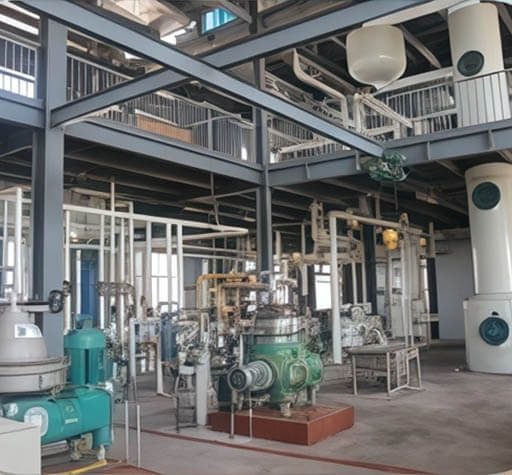
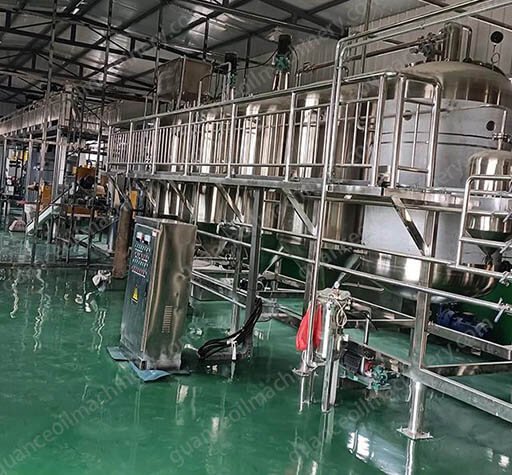
The following is the process of palm oil production.
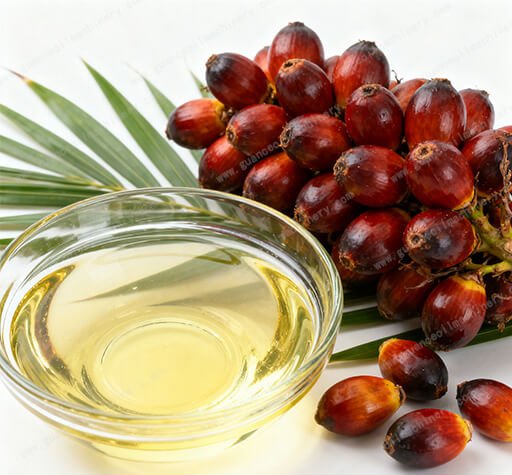
Refined palm oil
Has a low melting point and is liquid at room temperature. Food companies mainly use it as cooking and frying oil.
Palm stearin
Has a high melting point and is solid at room temperature. Manufacturers use it in margarine, shortening, candy, soap and similar products.
1. Pretreatment (process of palm oil production)
The oil pretreatment production line stage is the first step in palm oil production. Its primary purpose is to prepare the palm oil for the subsequent pressing and refining processes, improving oil yield and quality. This stage typically includes the following steps.
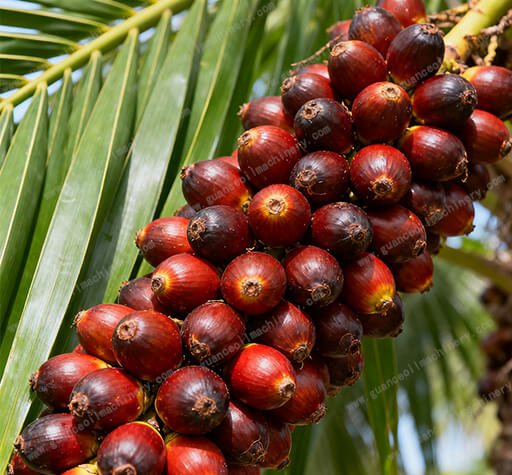
Harvesting and Transportation
Workers harvest ripe fruit bunches from the palms and truck them to the mill within hours. Timely transportation is crucial to prevent increased lipase activity in the fruit, which could lead to higher levels of free fatty acids (FFA) and affect oil quality.
Threshing (Shelling Machine)
The sheller removes the palm fruit from the bunches. Threshing efficiency directly impacts the subsequent oil yield from pressing.
Sterilization (Layered Steamer)
After threshing, the palm fruit bunches are First, the palm fruit undergoes steam sterilization. This sterilization process inactivates lipase activity and prevents further increases in FFA content. The steam softens the fruit and drives off part of its moisture, which eases the subsequent pressing.
Crushing (Crusher)
The sterilized palm fruit is fed into a crusher for crushing. This process disrupts the cellular structure of the fruit pulp through agitation, releasing oil droplets and preparing it for pressing.
2. Pressing (process of palm oil production)
The oil pressing plant stage is a core step in palm oil production, primarily extracting crude palm oil (CPO) and presscake from the pre-processed palm fruit pulp.
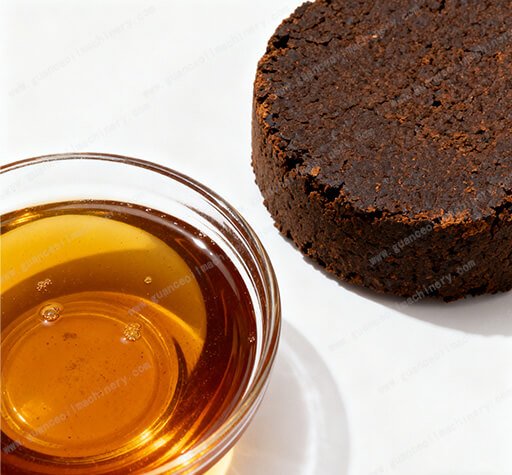
Screw Pressing
The crushed palm fruit pulp is fed into a screw press. The powerful screw action of the press extracts the oil from the fruit pulp. During this process, the screw press discharges a mixture of CPO, water, and solid impurities such as fibre and kernels, and the plant immediately routes it to separation.
Oil and Water Separation
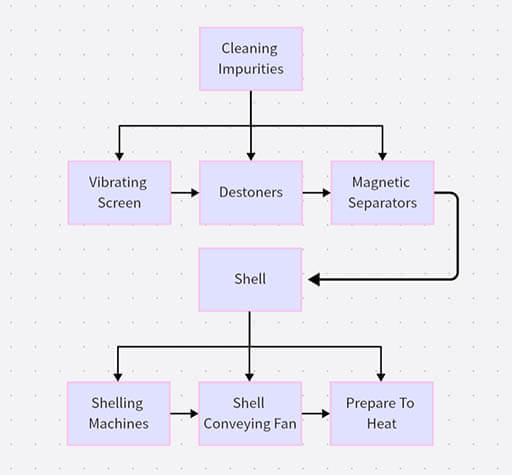
A vibrating cleaning screen first removes the bulk of solid impurities from the pressed mixture; a self-cleaning centrifuge then spins out the remaining water and fines, leaving relatively pure crude palm oil.
Kernel Processing(Optional)
The screw press discharges the nuts inside the fibre cake. A washer rinses them, a flash dryer lowers their moisture, and a centrifugal cracker breaks them open. An air-stream separator lifts the clean kernels away from the shells. The plant then either presses or oil solvent extraction the kernels to obtain palm kernel oil and burns the shells as boiler fuel.
3. Refining (process of palm oil production)
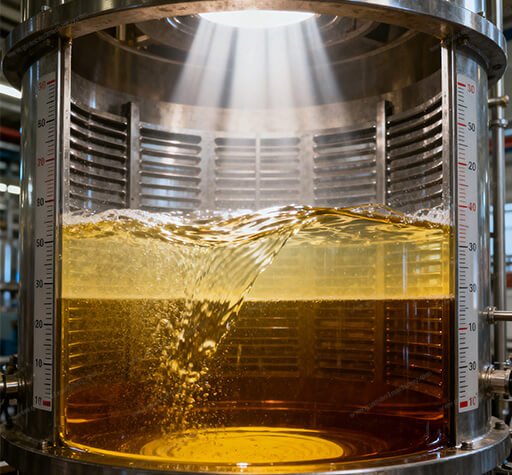
The purpose of the oil refinery plant stage is to remove impurities from crude palm oil to meet food standards or industrial application requirements. The refining process typically includes the following steps:
Degumming
Crude palm oil contains gums such as phospholipids, proteins, and carbohydrates. Degumming is typically performed by hydration or acidification to precipitate the gums, which are then removed by centrifugation.
Deacidification
Crude palm oil contains free fatty acids, which affect the flavor and stability of the oil. Deacidification can be achieved through chemical methods (alkali refining) or physical methods (steam distillation). Alkali refining uses alkali to neutralize free fatty acids (FFAs) to produce soapstock. Then, separation occurs; the laws of physics dictate that FFAs be distilled out using steam under high-temperature, high-vacuum conditions.
Decolorization
Decolorization removes pigments, such as carotene and chlorophyll, from the oil. Adsorbents (such as activated clay or activated carbon) are typically used to adsorb the pigments, which are then removed by filtration.
Deodorization
Deodorization removes odorous substances, such as ketones, aldehydes, and low-molecular-weight fatty acids, from the oil. Steam is typically introduced under high-temperature, high-vacuum conditions to distill the oil, removing odorous substances and producing colorless and odorless refined palm oil.
4. Winterization/Fractionation (Optional)
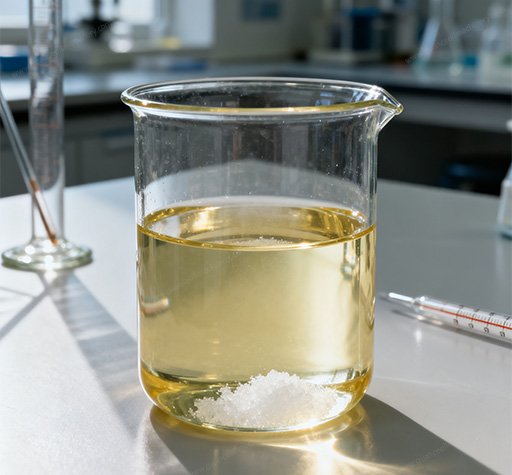
Winterization Dewaxing Plant or Fractionation is an optional refining step. Its primary purpose is to separate palm oil into fractions with different melting points based on the melting points of different triglycerides to meet different application requirements. Palm oil partially solidifies at room temperature. Palm oil fractionation yields liquid palm oil (palm olein) and solid palm stearin (palm stearin).
Cooling crystallization
The Guance Machinery pumps refined palm oil into crystallisers and cools it slowly. High-melting triglycerides nucleate and grow. Cooling rate and temperature control are critical, affecting the size of the crystals and the separation efficiency.
Filtration separation
The filter press separates the liquid palm olein from the solid palm stearin. If required, the Guance Machinery can refractionate either stream to obtain mid-fractions or cocoa-butter equivalents.
Palm intermediate fraction
Guance Machinery further fractionates palm olein or palm stearin to yield a mid-fraction, which it converts into high-value products such as cocoa-butter equivalents.
Contact Guance Machinery, get a free quote now!
📩 Get Your Free Quote Today
Contact us today to discuss your project, capacity requirements, and target materials. Our team will reply within 24 hours with a customized proposal. You can also reach us directly at guanceoilmachinery@gmail.com — we are here to help!