Understanding the Real Investment of a Rice Bran Oil Processing Plant
Investing in a rice bran oil processing plant cost requires a precise balance between initial capital expenditure (CapEx) and long-term operational efficiency. Rice bran is a unique raw material; unlike soybeans or peanuts, it contains highly active lipolytic enzymes that cause Free Fatty Acids (FFA) to rise by 1% to 5% per hour if not stabilized immediately. This technical characteristic dictates the complexity and cost of the machinery involved.
Factors Influencing Rice Bran Oil Processing Plant Cost
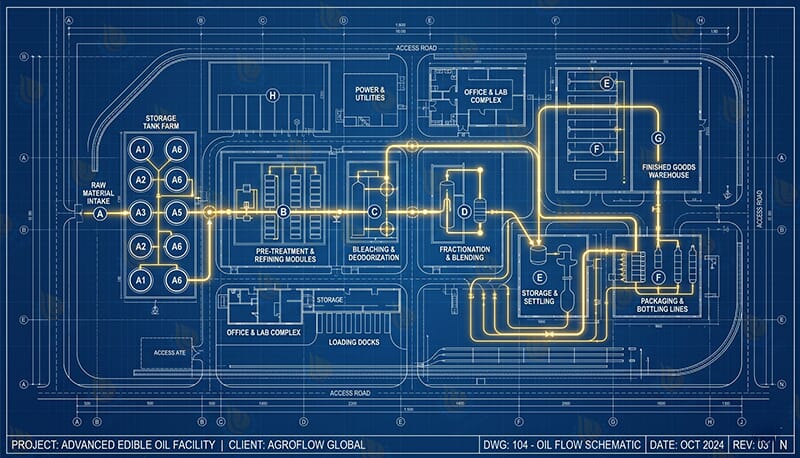
The total cost of a rice bran oil facility is not a fixed figure. It fluctuates based on three primary variables: daily processing capacity, the chosen extraction technology, and the required grade of the final product.
1. Rice Bran Oil Daily Processing Capacity
Small-scale units (1-10 TPD) typically utilize mechanical pressing. However, for rice bran, we recommend a minimum of 20-30 TPD to justify the investment in solvent extraction, which is the industry standard for maximizing yield. A 50 TPD plant will have a significantly lower per-ton processing cost compared to a 10 TPD unit due to economies of scale.
2. Extraction Method: Pressing vs. Solvent Extraction
Mechanical expelling is cheaper upfront but leaves 5% to 7% residual oil in the cake. Solvent extraction reduces residual oil to less than 1%. For a medium-sized plant, the higher yield from solvent extraction usually covers the equipment cost difference within the first 3 to 12 months of operation.

Rice Bran Oil Processing Technical Configuration and Equipment Breakdown
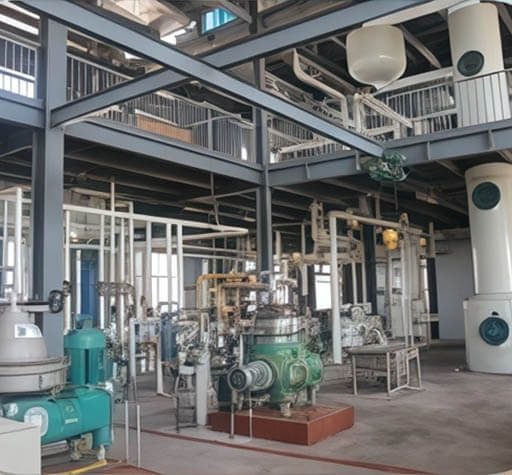
A high-yield plant from Guance Machinery is divided into three critical sections. Each section influences the overall price and the quality of the crude rice bran oil (CRBO).
Pretreatment and Stabilization Section
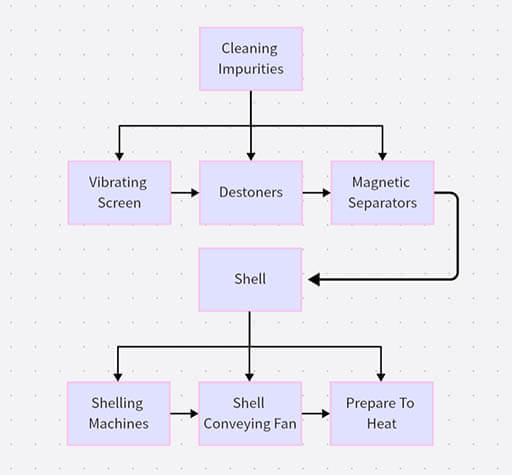
This is where most low-cost suppliers fail. To prevent rancidity, rice bran must undergo cleaning, conditioning, and puffing (extruding). Our puffing machines operate at 110°C – 120°C, transforming the bran into porous pellets. This increases the bulk density and improves solvent penetration, directly increasing the oil yield by 2-3% compared to non-puffed bran.
Solvent Extraction Section
For industrial-scale projects, we utilize Rotocel or Loop-type extractors. The key cost driver here is the solvent recovery system. Guance Machinery uses a negative pressure evaporation system, which reduces steam consumption by 20% and ensures the solvent remains within a closed-loop, minimizing environmental impact and OpEx.
Refining and Dewaxing Section
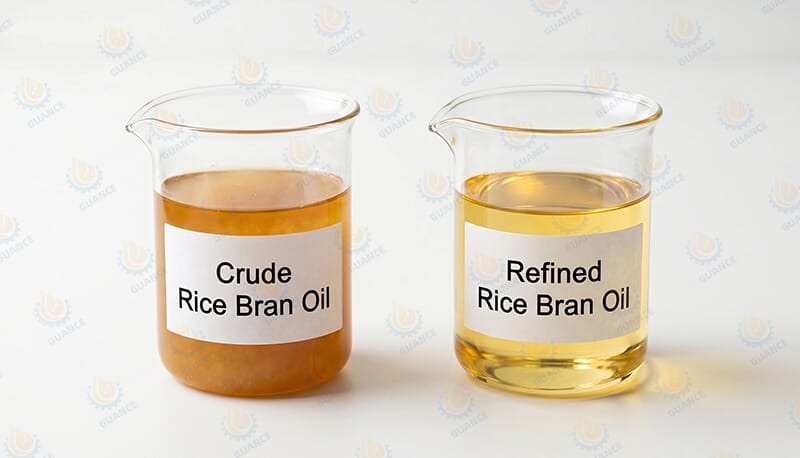
Rice bran oil contains 3% to 5% wax. Without a dedicated dewaxing unit, the oil will appear cloudy at room temperature. A full refinery includes degumming, deacidification, decolorization, deodorization, and winterization dewaxing plant. Choosing physical refining over chemical refining can reduce oil loss during processing, though it requires higher-spec stainless steel equipment.
Operational Expenses (OpEx) and Profitability
While the machinery cost is a one-time investment, the OpEx determines your monthly profit. Raw material procurement typically accounts for 80% of the operating costs. Therefore, the equipment’s “Residual Oil Rate” is the most critical metric for ROI.
- Steam Consumption: 280-450 kg per ton of bran (depending on heat recovery systems).
- Solvent Loss: Managed at < 2kg per ton of processed material in Guance systems.
- Electricity: Approximately 28-35 kWh per ton.
By achieving a residual oil rate of <1%, Guance Machinery ensures that more oil ends up in the tank and less in the meal, providing a competitive edge in markets where bran prices are volatile.

The Guance Machinery Advantage: Durability and Service
With 20 years of experience, Guance Machinery designs equipment for 24/7 continuous operation. We utilize thickened carbon steel for extractor shells and high-grade stainless steel for refining towers to resist the corrosive nature of high-FFA crude oil. Our after-sales service includes on-site installation, operator training, and annual technical audits to ensure the plant maintains its peak extraction efficiency.
Frequently Asked Questions
Q1: What is the minimum capacity for a profitable rice bran oil plant?
A: Technically, you can start at 5 TPD with pressing. However, for commercial viability and to compete with industrial brands, a 30 TPD solvent extraction plant is the recommended entry point.
Q2: How long does it take to set up a full processing line?
A: Manufacturing usually takes 60 to 90 days. Installation and commissioning at the customer site require an additional 30 to 60 days, depending on the degree of automation and civil work readiness.
Q3: Can the same plant process other seeds?
Yes, with minor adjustments to the pretreatment section (e.g., adding a flaking mill or different cooker settings), our solvent extraction lines can process soybean, sunflower, or rapeseed etc.

Every project has its unique variables. Let’s connect to discuss your specific daily capacity, and we can map out a custom ROI and operational cost projection for your facility.
📩 Get Your Free Quote Today
Contact us today to discuss your project, capacity requirements, and target materials. Our team will reply within 24 hours with a customized proposal. You can also reach us directly at guanceoilmachinery@gmail.com — we are here to help!