After soybeans undergo cleaning, cracking, dehulling, conditioning, and flaking, the next step is oil extraction. In the soybean processing industry, manufacturers primarily use two extraction methods: mechanical pressing and solvent extraction. Each method offers unique advantages and serves different production requirements. In this article, we focus on the soybean oil pressing process and its role in oil production.
Pressing Performance
Mechanical pressing is one of the oldest and most widely used methods of extracting oil from soybeans. In particular, small and medium-sized oil mills often choose this method because it requires a lower investment and a simpler production layout. Moreover, pressing does not require the use of chemical solvents, which makes the process easier to operate and maintain.
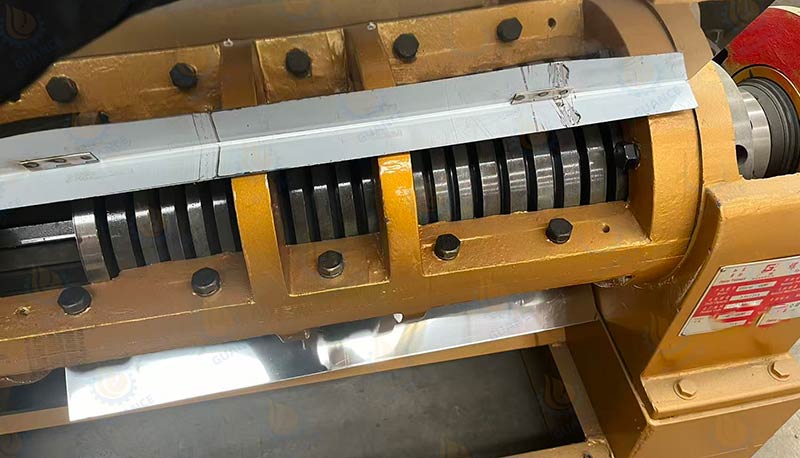 press-machine
Pressing Process
The pressing process begins when prepared soybean flakes enter a screw oil press. Inside the machine, a rotating screw continuously conveys the material through a narrowing chamber. Consequently, the pressure gradually increases. As the pressure builds, oil separates from the soybean cells and flows through the gaps in the press cage. Meanwhile, the solid material becomes compressed into soybean press cake. By the time it reaches the discharge outlet, a significant portion of the oil has been removed. As a result, processors obtain two valuable products: crude soybean oil and soybean meal cake.
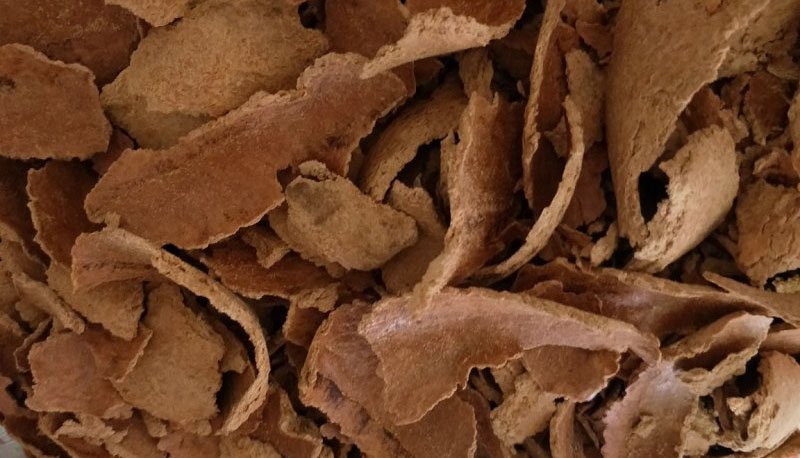 press-cake
Pressing Performance Influence
Several factors influence pressing performance. First, proper pretreatment is essential. Uniform flakes, suitable moisture content, and appropriate conditioning temperatures all contribute to efficient oil release. In addition, equipment design and operating parameters can significantly affect oil yield. Therefore, selecting the right pressing equipment is crucial for achieving stable production.
Mechanical Pressing Advantage
One of the major advantages of mechanical pressing is its simplicity. Compared with more complex extraction systems, a pressing plant requires fewer supporting facilities. Furthermore, the process starts quickly and operators can manage production more easily. Consequently, many entrepreneurs and small-scale investors choose pressing technology when entering the edible oil industry.
Mechanical Pressing Limitation
However, mechanical pressing also has certain limitations. Although the process recovers a substantial amount of oil, some oil remains in the press cake after extraction. Therefore, the overall oil recovery rate is generally lower than that of solvent extraction. As production capacity increases, this difference becomes more significant. For this reason, large soybean processing facilities often adopt alternative extraction technologies to maximize oil recovery. In addition, growing market demand encourages manufacturers to pursue higher efficiency and lower production costs. Consequently, many commercial soybean plants rely on solvent extraction systems for large-scale production.
Despite these developments, mechanical pressing continues to play an important role in the soybean oil industry. For example, many small and medium-sized plants successfully produce crude soybean oil using screw presses. Moreover, pressing technology remains a practical solution in regions where investment budgets, production volumes, or operational requirements favor a simpler processing route.
Today, modern screw presses offer improved efficiency, durability, and automation. As a result, processors can achieve more stable operation and better product quality than ever before. Furthermore, ongoing technological advancements continue to enhance the performance of soybean oil pressing equipment.
Conclusion
In conclusion, mechanical pressing remains a reliable and widely used soybean oil extraction method. It offers operational simplicity, moderate investment costs, and dependable production performance. However, as production scales increase, processors often seek technologies that can recover a higher percentage of oil. Therefore, understanding the advantages and limitations of pressing provides a useful foundation for exploring solvent extraction, which has become the preferred choice for many large-scale soybean processing plants.
📩 Get Your Free Quote Today
Contact us today to discuss your project, capacity requirements, and target materials. Our team will reply within 24 hours with a customized proposal. You can also reach us directly at guanceoilmachinery@gmail.com — we are here to help!