In small-scale batch oil refining, improving production efficiency and reducing energy consumption are essential for profitability. Although the system is relatively simple, operators can still achieve significant improvements through proper management and optimization.
Operating parameters
First, operators can improve efficiency by adjusting key operating parameters. For example, controlling temperature accurately helps reduce unnecessary energy loss. Meanwhile, optimizing reaction time ensures each process completes efficiently. As a result, production cycles become shorter without reducing oil quality. Moreover, proper stirring speed also enhances heat transfer and reaction uniformity.
Vacuum system
Next, vacuum system performance plays a key role in energy saving. A stable vacuum level improves deodorization efficiency and reduces heating demand. Therefore, operators should regularly check vacuum pumps and seals. In addition, maintaining airtight conditions prevents energy waste and improves overall system stability.
Heat recovery
Furthermore, heat recovery offers a practical way to reduce energy consumption. For instance, operators can reuse waste heat from deodorization for preheating crude oil. Consequently, the system consumes less external energy. Meanwhile, proper insulation of pipelines and tanks also reduces heat loss. As a result, overall energy efficiency improves significantly.
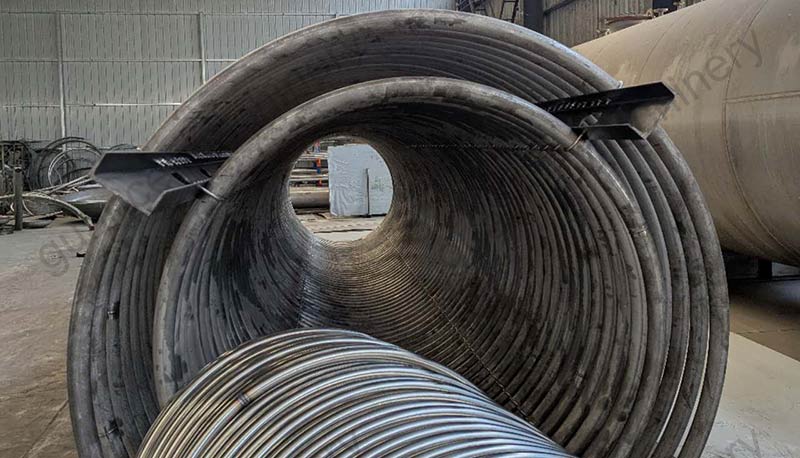 Heating-Coil
Regular maintenance
In addition, regular maintenance directly affects long-term performance. Clean heat exchangers transfer energy more efficiently. Likewise, well-maintained pumps operate with lower resistance. Therefore, scheduled maintenance reduces both energy consumption and unexpected downtime. Moreover, replacing worn parts on time prevents efficiency loss.
Operator training
On the other hand, operator training also plays an important role. Skilled operators understand how to adjust parameters based on different oil types. For example, they may reduce bleaching time for low-color oils or adjust vacuum levels for high-odor oils. As a result, production becomes more flexible and efficient.
Production planning
Furthermore, production planning helps reduce energy waste. When operators process similar raw materials in batches, they can maintain stable operating conditions. Meanwhile, continuous operation within a planned schedule avoids repeated heating and cooling cycles. Therefore, energy use becomes more efficient and predictable.
Case experience
Finally, case experience shows that even small improvements can lead to significant savings. For instance, slightly lowering deodorization temperature or optimizing batch size can reduce energy costs noticeably. In addition, combining multiple optimization methods creates a stronger overall effect.
Conclusion
In conclusion, improving efficiency and saving energy in small-scale batch oil refining depends on parameter control, equipment maintenance, heat recovery, and operator skill. Therefore, companies that focus on optimization can achieve lower costs and higher productivity while
📩 Get Your Free Quote Today
Contact us today to discuss your project, capacity requirements, and target materials. Our team will reply within 24 hours with a customized proposal. You can also reach us directly at guanceoilmachinery@gmail.com — we are here to help!