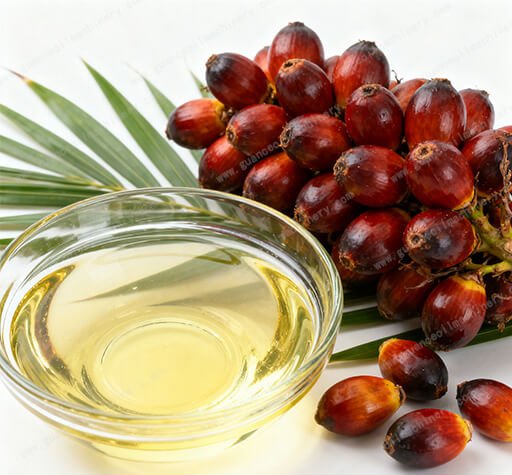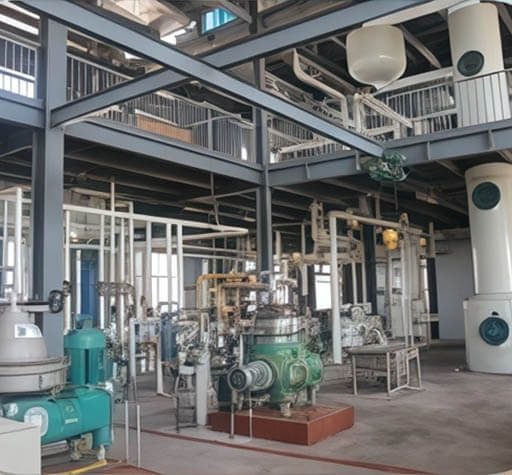
Mechanical pressing is one of the most common methods used for extracting oil from palm fruits and palm kernels. After proper pretreatment, the oil-containing materials are transferred to screw presses for oil separation.
Compared with chemical extraction methods, mechanical pressing requires simpler operation and has lower investment costs. Therefore, it is widely applied in small and medium-scale palm oil processing plants.
Palm Fruit Pressing Process
After sterilization, threshing, and digestion, the prepared palm fruits enter the screw press. Inside the pressing chamber, the rotating screw gradually pushes the material forward while increasing pressure.
During this process, the oil is separated from the fiber structure and flows out through the press cage. Meanwhile, the remaining fiber and nut mixture are discharged from the end of the press.
Generally, double screw presses are preferred in palm oil mills because they provide strong pressing performance and stable operation.
In addition, the pressing condition directly affects oil recovery. Factors such as fruit quality, digestion efficiency, moisture content, and pressing pressure should be properly controlled.
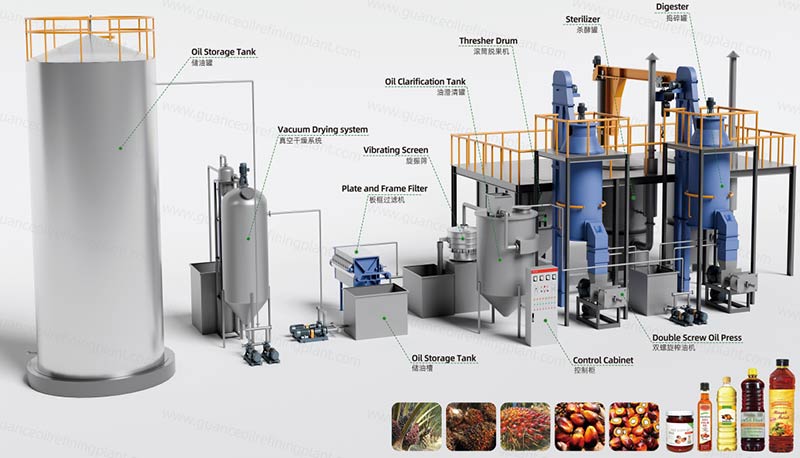 Palm-Crude-Oil-Production–Line
Separation of Crude Palm Oil After Pressing
The extracted mixture usually contains crude palm oil, water, and solid impurities. Therefore, further clarification is required before obtaining cleaner crude palm oil.
Typically, the clarification process includes:
(1) Screening
(2) Settling
(3) Filtration
(4) Purification
Through these steps, suspended solids and unwanted materials can be removed, improving the quality of crude palm oil.
Meanwhile, the separated fiber and nuts can be further processed to recover palm kernel oil.
Palm Kernel Oil Extraction Process
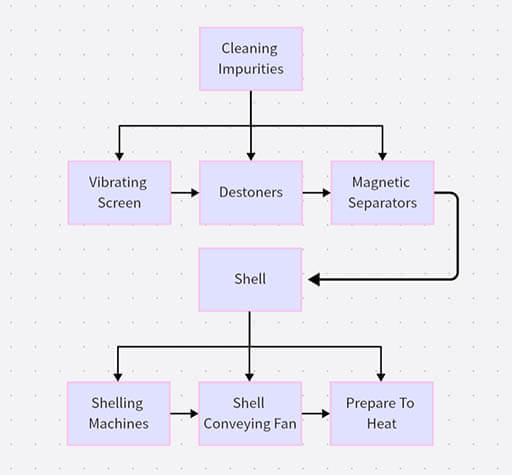
Palm kernels require a different processing route compared with palm fruits. First, the nuts need to be separated from the fiber mixture. Then, the kernels are cracked to remove the shells.
After drying and preparation, palm kernels are sent to a screw press for oil extraction.
The final product is called palm kernel oil (PKO), which has different characteristics from crude palm oil (CPO). For example, palm kernel oil contains a higher amount of lauric acid and is commonly used in food, cosmetics, and chemical industries.
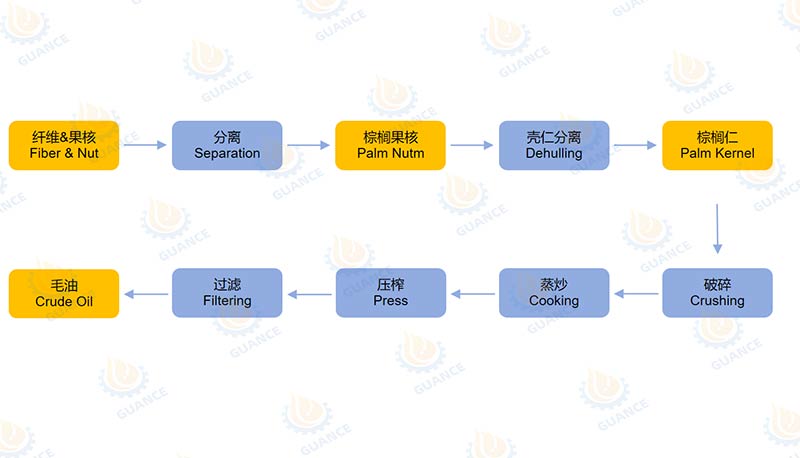 Palm-Kernel-Crude-Oil-Production–Line
Factors Affecting Pressing Efficiency
Several factors influence the performance of a palm oil pressing system.
First, the quality of raw materials directly affects oil yield. Fresh and properly treated fruits usually achieve better extraction results.
Second, equipment design and operating parameters are also important. The pressing pressure, screw speed, and material feeding rate should be adjusted according to production conditions.
Finally, regular maintenance helps ensure stable equipment performance and extends service life.
Conclusion
Palm oil pressing is a key stage connecting fruit preparation and crude oil production. With suitable screw press equipment and proper operation, oil recovery can be improved while reducing production losses.
Therefore, choosing the right pressing technology is essential for establishing an efficient palm oil processing line.
📩 Get Your Free Quote Today
Contact us today to discuss your project, capacity requirements, and target materials. Our team will reply within 24 hours with a customized proposal. You can also reach us directly at guanceoilmachinery@gmail.com — we are here to help!