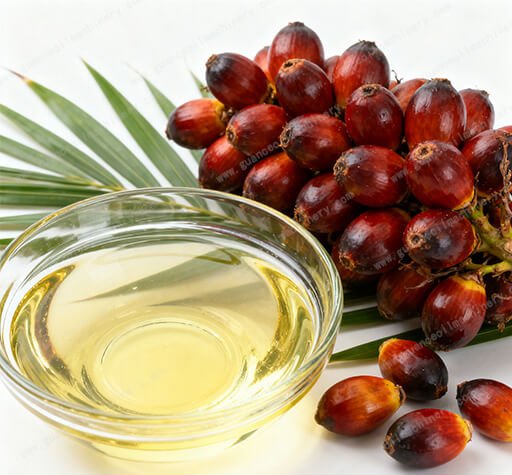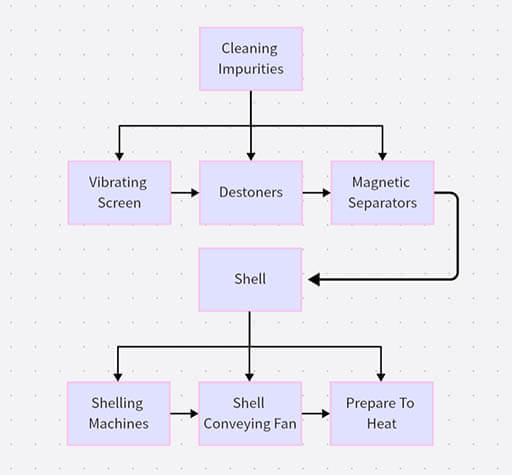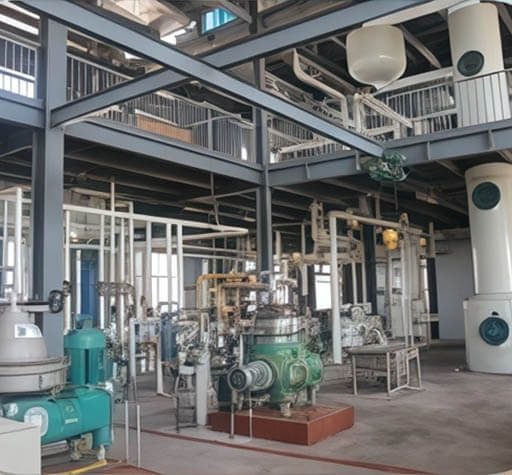
Crude palm oil (CPO) obtained from pressing contains free fatty acids (FFA), phospholipids, pigments, moisture, trace metals, and other impurities. Therefore, further refining is required to improve its color, stability, odor, and overall quality.
Generally, palm oil can be refined through chemical refining or physical refining. Both methods aim to remove unwanted components, but they use different methods to reduce free fatty acids.
The appropriate process depends on the quality of the crude oil, required product specifications, processing capacity, and investment considerations.
Degumming: Removing Phospholipids
Degumming is an important pretreatment step before further refining. During this process, water and acid may be added to the crude oil to hydrate or condition phospholipids and other impurities.
As a result, gums and other unwanted components can be separated from the oil.
Moreover, effective degumming helps improve the performance of the subsequent bleaching and deodorization stages. The exact treatment conditions depend on the phosphorus content and quality of the crude palm oil.
Chemical Refining of Palm Oil
In chemical refining, free fatty acids are removed through a neutralization reaction with caustic soda (NaOH).
First, the oil is heated and mixed with a calculated amount of caustic soda. The alkali reacts with free fatty acids and converts them into soapstock. Then, the soapstock is separated from the neutral oil.
After neutralization, the oil normally undergoes water washing and vacuum drying. It can then proceed to bleaching and deodorization.
Chemical refining has a relatively straightforward process and can work well for small-scale palm oil refineries where flexible batch processing and moderate investment are important.
However, the neutralization process generates soapstock and may result in some neutral oil loss. Therefore, the chemical dosage and operating conditions need to be carefully controlled.
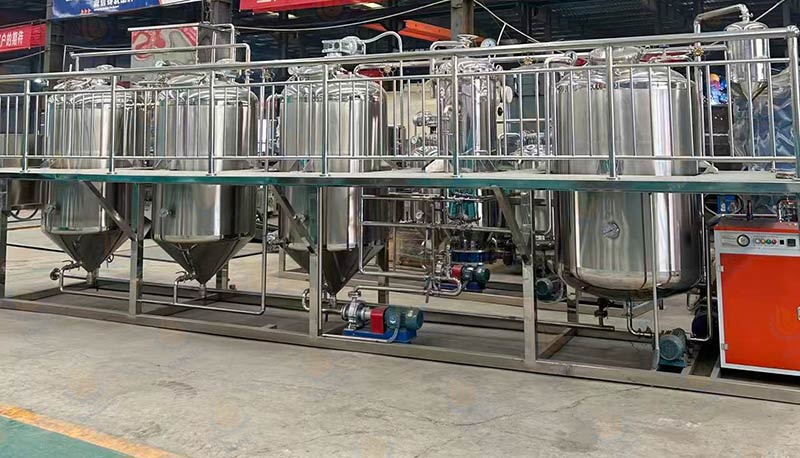 Refining-Equipment
Physical Refining of Palm Oil
Physical refining uses a different approach to remove free fatty acids. Instead of neutralizing FFA with caustic soda, the process removes FFA mainly through steam stripping during high-temperature deodorization.
Before deodorization, the crude oil normally undergoes degumming, bleaching, and filtration. The treated oil then enters a deodorizer under high-temperature and deep-vacuum conditions.
Stripping steam passes through the oil and carries away free fatty acids and volatile odor compounds. Consequently, the refined oil achieves lower acidity and improved taste and odor.
Physical refining can be a suitable choice for larger palm oil refineries or projects with suitable crude oil quality and a well-designed vacuum and steam system.
In addition, physical refining does not produce soapstock from chemical neutralization. However, the process requires effective heating, vacuum, steam stripping, and heat recovery systems.
Bleaching and Filtration
Bleaching is commonly used in both chemical and physical refining processes. During this stage, activated bleaching earth adsorbs pigments, trace metals, oxidation products, and other unwanted substances.
The oil is usually treated under controlled temperature and vacuum conditions to improve the adsorption effect.
After bleaching, a pressure leaf filter or other suitable filtration equipment separates the spent bleaching earth from the oil.
Furthermore, proper filtration is essential because residual bleaching earth can affect the quality and appearance of the final refined oil.
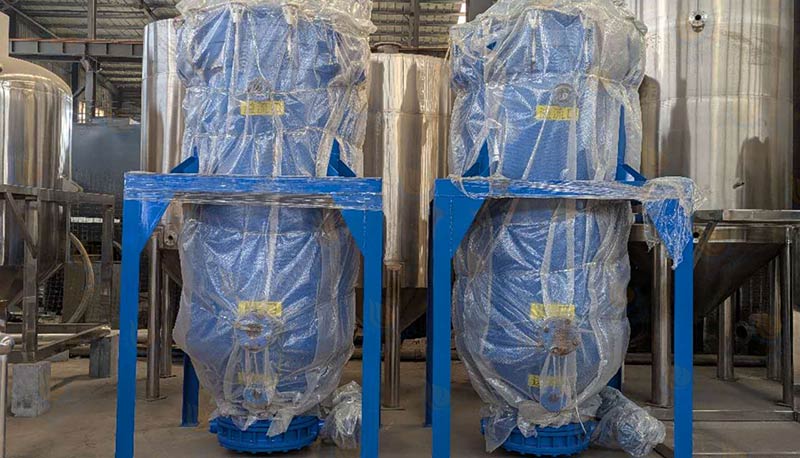 Filter
Deodorization
Deodorization is the final major stage of palm oil refining. The oil is heated under high vacuum, while stripping steam removes volatile odor compounds and, in physical refining, a significant amount of free fatty acids.
Therefore, deodorization improves the flavor, odor, and stability of the refined oil.
Meanwhile, an effective heat recovery system can transfer heat between hot and cold oil streams, helping reduce energy consumption and improve overall plant efficiency.
Conclusion
Palm oil refining combines several treatment stages to remove impurities and improve the quality of crude palm oil. Chemical refining uses caustic soda to neutralize free fatty acids, while physical refining removes FFA mainly through steam stripping during deodorization.
Therefore, the best refining method should be selected according to the crude oil characteristics, required product quality, processing capacity, and overall project requirements.
With properly designed degumming, neutralization or physical deacidification, bleaching, filtration, and deodorization systems, palm oil can be efficiently converted from crude oil into a high-quality refined product.
📩 Get Your Free Quote Today
Contact us today to discuss your project, capacity requirements, and target materials. Our team will reply within 24 hours with a customized proposal. You can also reach us directly at guanceoilmachinery@gmail.com — we are here to help!