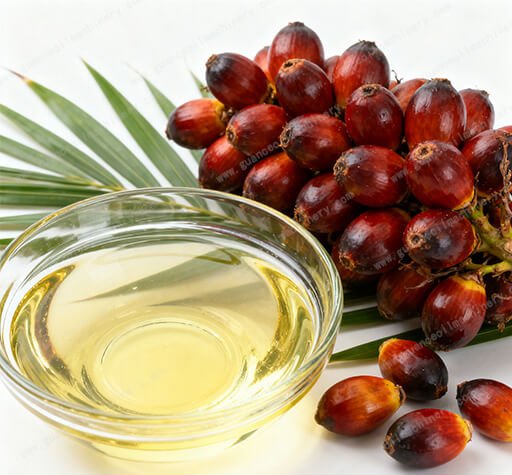
Coconut oil is widely used in the food, cosmetics, and pharmaceutical industries. For small- to medium-scale coconut oil production, mechanical pressing is a practical method for extracting coconut oil without the use of chemical solvents. The entire process is relatively simple, but proper raw material processing and the selection of the press are crucial for stable production and achieving a high oil yield.
Raw Material Pretreatment
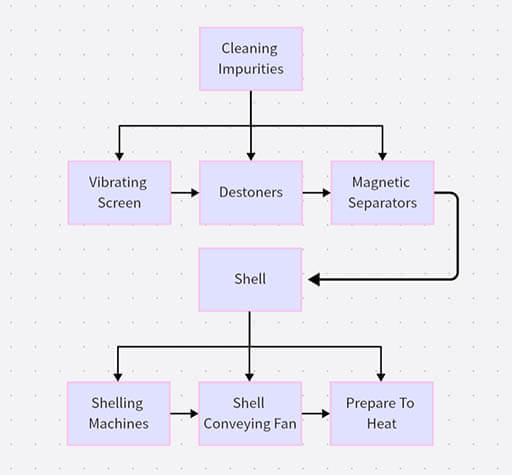
Dried copra is the preferred raw material for mechanical pressing due to its low moisture and high oil content compared with fresh coconut meat. Before pressing, copra is crushed into uniform particles according to its size to improve heat transfer and pressing efficiency, with secondary crushing for large materials and light crushing for fine ones. Magnetic separation is then conducted to remove impurities. Also, applying tempering and heating to adjust material moisture and temperature based on required oil quality.
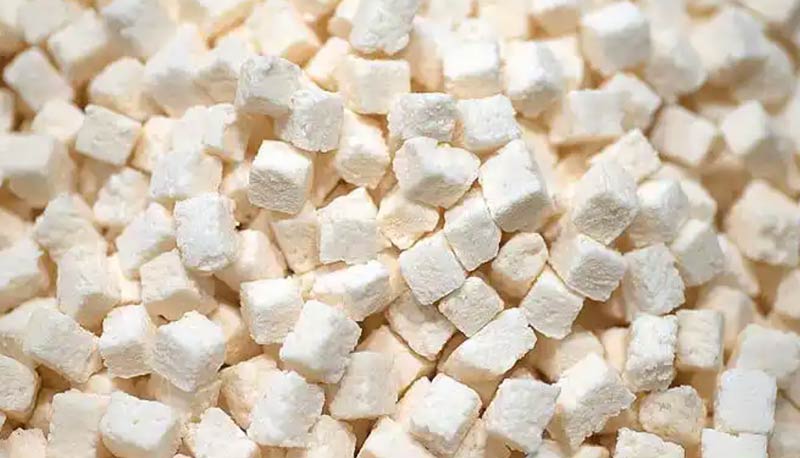 Copra
Core Pressing Process
A two-stage screw pressing process is adopted for high-oil-content copra to maximize oil output. Pretreated copra is fed into a pre-press for primary oil extraction, and the residual solid cake undergoes secondary pressing for further oil recovery. The discharged crude oil is collected, while solid residues are separated as coconut oil cake.
Since crude oil contains fine suspended particles, filtration is mandatory before storage or refining.
Key Production Equipment
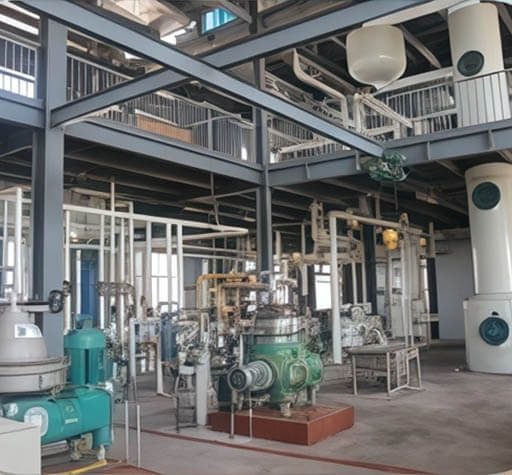
A standard mechanical pressing production line consists of core equipment covering the whole process: magnetic separator, coconut crusher, material conditioner, screw press, plate-and-frame filter and finished oil storage tank. The specific configuration is adjusted according to raw material condition, production capacity and final oil grades, including crude, virgin and refined coconut oil.
Cold Pressing & Hot Pressing
The two pressing methods are selected based on product positioning and production goals. Cold pressing adopts low-temperature processing to completely retain coconut oil’s natural properties, ideal for high-end products, yet it features lower oil yield and strict control over material moisture and pressing parameters.
>Hot pressing requires pre-heating and tempering of raw materials, which softens copra texture, significantly improves oil yield and ensures stable operation. It is the mainstream choice for large-scale commercial production. No single method fits all projects, and technologies shall be customized according to product standards and production scale.
Key Factors Affecting Oil Yield
Oil yield is mainly determined by raw material quality and processing parameters. Well-dried, impurity-free copra with stable moisture content guarantees stable pressing performance. Critical parameters include particle size, pretreatment temperature, pressing pressure, screw speed and residual oil in cake. In addition, matched press equipment is essential; mismatched models will reduce efficiency or increase unnecessary operating costs.
Post-Pressing Refining Treatment
Filtered crude oil can be used directly for industrial purposes. For high-purity and food-grade finished products, further refining processes including degumming, deacidification, bleaching and deodorization are required. The refined workflow is formulated based on crude oil quality and finished product specifications to meet commercial standards.
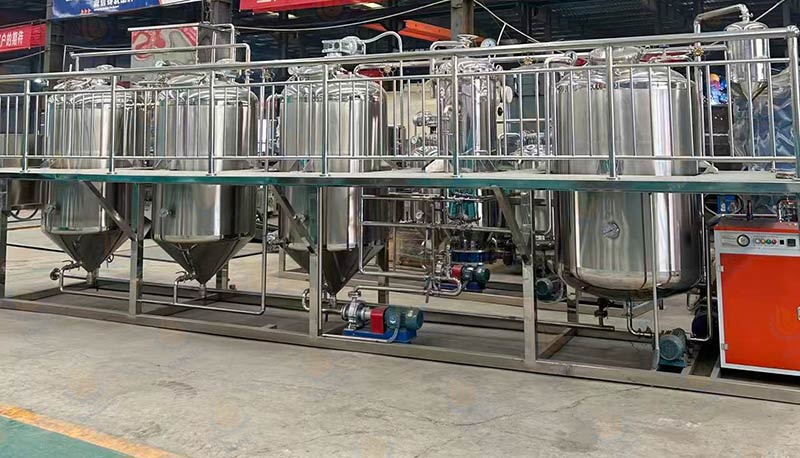
Refining-Equipment
📩 Get Your Free Quote Today
Contact us today to discuss your project, capacity requirements, and target materials. Our team will reply within 24 hours with a customized proposal. You can also reach us directly at guanceoilmachinery@gmail.com — we are here to help!