In modern soybean oil processing plants, conditioning and flaking are two essential steps that significantly influence oil yield and extraction performance. Although cleaning, cracking, and dehulling prepare the raw material, conditioning and flaking create the ideal physical structure for efficient oil recovery. Therefore, processors often consider these operations among the most important stages in soybean pretreatment.
Conditioning
Conditioning begins after the soybeans have been cleaned, cracked, and dehulled. During this stage, operators add steam to increase the temperature and moisture content of the soybean kernels. As a result, the kernels become softer and more elastic. In addition, the heat helps weaken the cellular structure that surrounds the oil-bearing cells.
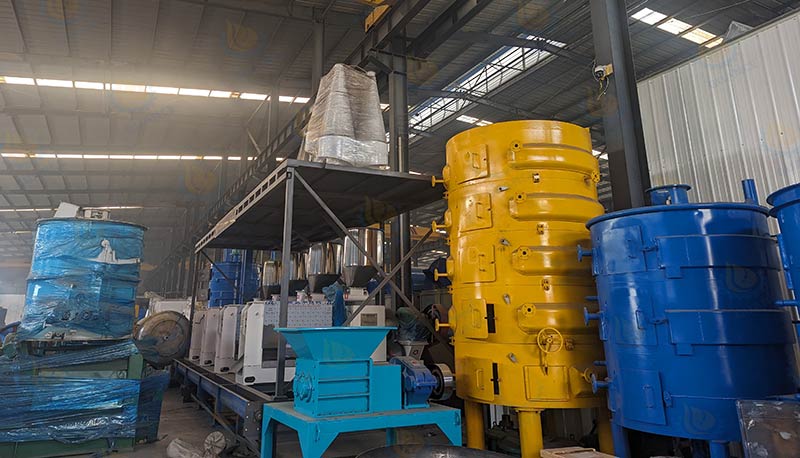 Cooking-Conditioning
Conditioning Benefit
Proper conditioning offers several important benefits. First, it improves the plasticity of the soybean material, which makes flaking easier and more consistent. Second, it reduces the formation of fines and broken particles during rolling. Furthermore, conditioned soybeans produce flakes with a more uniform thickness, which directly supports efficient extraction.
Temperature Control
Temperature control plays a crucial role during conditioning. If the temperature remains too low, the soybean structure may not soften sufficiently. On the other hand, excessive heating can damage protein quality and increase energy consumption. Therefore, processors must maintain appropriate operating conditions to achieve the best results.
Flaking
After conditioning, the soybeans enter the flaking section. Here, flaking mills equipped with large rollers compress the kernels into thin flakes. Typically, the thickness of the flakes ranges from 0.3 to 0.4 millimeters, depending on the processing requirements. Consequently, the surface area of the material increases significantly.
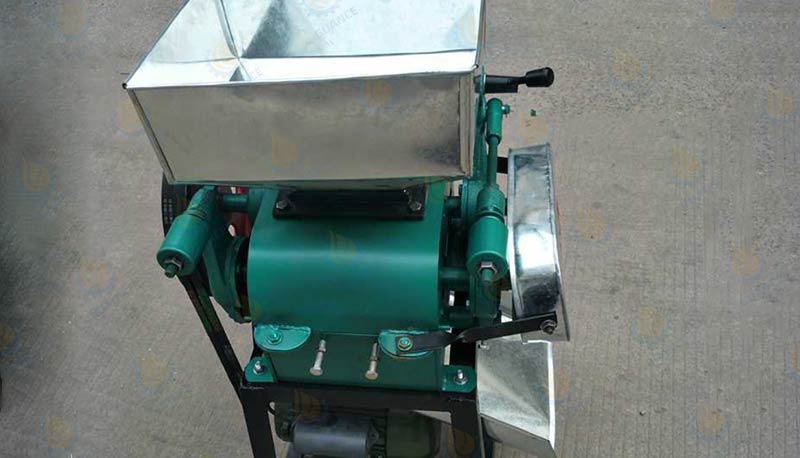 Flaking
 Surface
The increased surface area provides several advantages. Most importantly, solvent can penetrate the flakes more easily during extraction. Moreover, oil molecules travel a shorter distance before leaving the material. As a result, extraction efficiency improves and residual oil content decreases.
Flake Quality
Flake quality also affects downstream equipment performance. For example, flakes that are too thick may reduce solvent penetration and lower oil recovery. Meanwhile, overly thin flakes can break apart and create fines, which may restrict solvent flow inside the extractor. Therefore, maintaining the proper flake thickness is essential for stable plant operation.
In addition to improving extraction efficiency, high-quality flakes contribute to better soybean meal production. Uniform flakes support effective desolventizing and drying processes. Consequently, processors can produce soybean meal with consistent nutritional value and improved market acceptance.
Improtance
Many large-scale soybean processing plants invest heavily in advanced conditioning and flaking equipment because these stages directly affect profitability. For instance, even a small improvement in oil recovery can generate significant financial benefits over time. Furthermore, optimized pretreatment can reduce solvent consumption, lower operating costs, and improve overall production efficiency.
As soybean processing technology continues to evolve, conditioning and flaking remain fundamental operations in both pressing and solvent extraction plants. Although these processes may appear simple, they have a substantial impact on plant performance. Therefore, selecting the right equipment and maintaining proper operating parameters are critical for achieving maximum oil yield and high-quality products.
Conclusion
In conclusion, soybean conditioning and flaking serve as key links between raw material preparation and oil extraction. Conditioning improves moisture and temperature conditions, while flaking creates the ideal structure for oil recovery. Together, these processes enhance extraction efficiency, improve product quality, and increase the economic performance of soybean oil processing plants.
📩 Get Your Free Quote Today
Contact us today to discuss your project, capacity requirements, and target materials. Our team will reply within 24 hours with a customized proposal. You can also reach us directly at guanceoilmachinery@gmail.com — we are here to help!