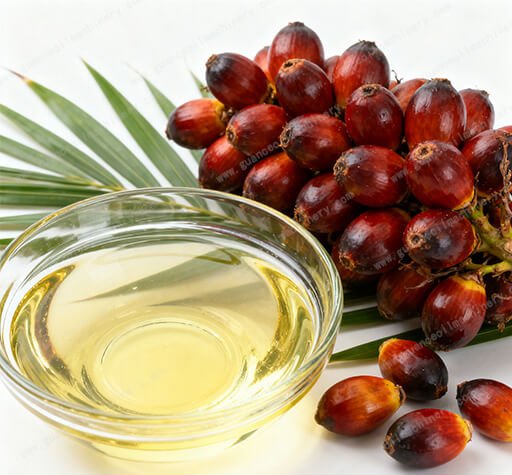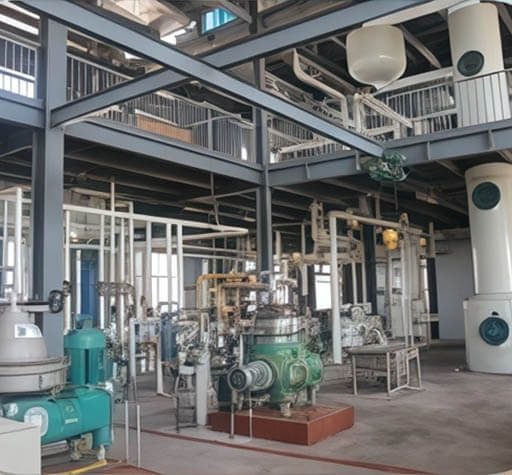
Soybean pretreatment plays a critical role in modern soybean oil production. Before pressing or solvent extraction begins, processors must prepare the soybeans properly. A well-designed pretreatment system improves oil yield, reduces energy consumption, and enhances the overall performance of the processing plant. Therefore, many successful soybean oil mills pay close attention to this stage.
Cleaning
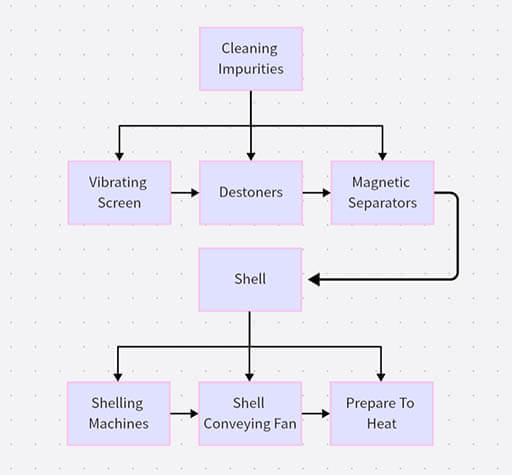
The process starts with soybean cleaning. Freshly harvested soybeans often contain impurities such as dust, stones, metal fragments, straw, and damaged seeds. These materials can negatively affect equipment performance and product quality. Consequently, cleaning equipment such as vibrating screens, magnetic separators, and destoners removes unwanted materials before further processing begins.
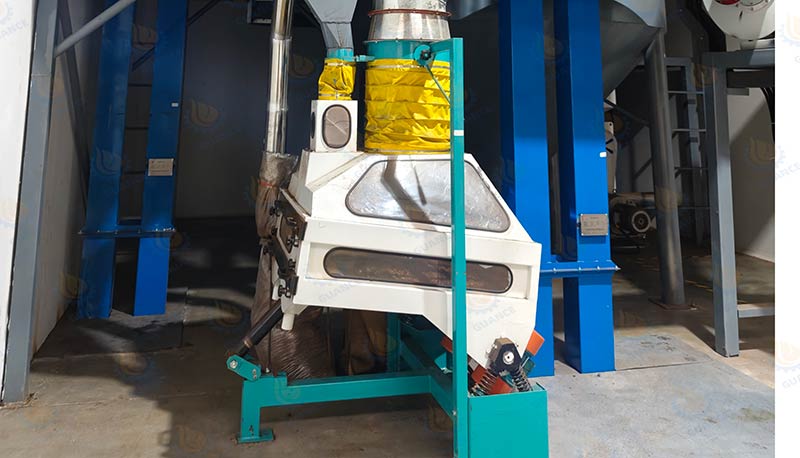 Cleaning-screen
Cracking
After cleaning, the soybeans move to the cracking section. During this stage, cracking rollers break the soybeans into several smaller pieces. As a result, the kernels separate more easily from the hulls. In addition, proper cracking improves the efficiency of the dehulling process and creates more uniform material for the next processing steps.
Dehulling
Next, the cracked soybeans enter the dehulling system. The protein content of soybean cake is only 8%, and it contains a large amount of crude fiber. After removing the soybean skin, the protein content of the soybean meal directly increases by 3 to 5 percentage points. The product has a high premium and the economic benefits far exceed the processing cost of removing the skin (the soybean skin is packaged separately and sold as feed raw materials).
Conditioning
Following dehulling, the soybean kernels enter the conditioning process. During conditioning, operators adjust the temperature and moisture content of the material using steam. Meanwhile, the soybean structure becomes softer and more flexible. As a result, the material can pass through the flaking mill more easily. Proper conditioning also helps improve oil cell rupture during extraction.
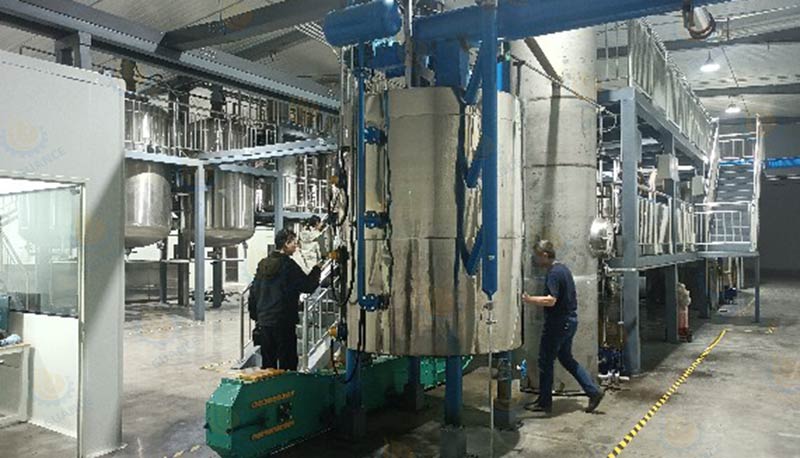 Cooking-Conditioning
Flaking
The conditioned soybeans then move to the flaking section. Here, flaking rollers transform the kernels into thin flakes with a large surface area. Consequently, solvent penetration becomes more efficient during extraction. Moreover, thinner flakes shorten the diffusion path for oil movement. Therefore, processors can achieve higher oil recovery and lower residual oil content in the meal.
In large-scale soybean processing plants, pretreatment directly affects the performance of both pressing and solvent extraction systems. For example, poorly prepared flakes can reduce extraction efficiency and increase solvent consumption. On the other hand, properly conditioned and flaked soybeans support stable plant operation and consistent product quality.
Conclusion
In conclusion, soybean pretreatment forms the foundation of efficient oil extraction. Cleaning protects equipment, cracking and dehulling prepare the material, conditioning optimizes moisture and temperature, and flaking creates the ideal structure for oil recovery. Therefore, investing in an effective pretreatment system can significantly improve the profitability and competitiveness of a soybean oil processing plant.
📩 Get Your Free Quote Today
Contact us today to discuss your project, capacity requirements, and target materials. Our team will reply within 24 hours with a customized proposal. You can also reach us directly at guanceoilmachinery@gmail.com — we are here to help!