For business owners and project managers eyeing the lucrative edible oil market, investing in a Sunflower Oil Refinery Plant is a critical step toward producing clear, stable, and premium-grade oil. Unlike general refining systems, Guance Machinery addresses the unique characteristics of sunflower oil refining process and analyzes cost factors, especially wax content.
Understanding the Sunflower Oil Refining Process: Why Dewaxing is Crucial
The journey from crude sunflower oil, While standard steps like degumming, neutralization, bleaching, and deodorization are essential, the defining stage for sunflower oil is dewaxing (or Winterization Dewaxing Plant). Sunflower seeds contain waxes that dissolve in the crude oil during extraction. If not removed, these waxes cause unsightly haze and sedimentation when the bottled oil is stored at cool temperatures, severely compromising its market appeal.
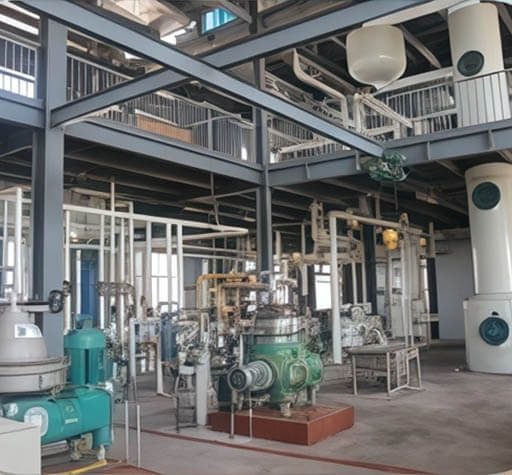
Guance Machinery is Sunflower Oil Refinery Plant incorporates a controlled cooling and filtration process that crystallizes and removes these waxes before the deodorization stage. And removing volatile compounds and ensuring a neutral flavor and long shelf life.

Key Factors Affecting Your Sunflower Oil Refinery Plant Cost
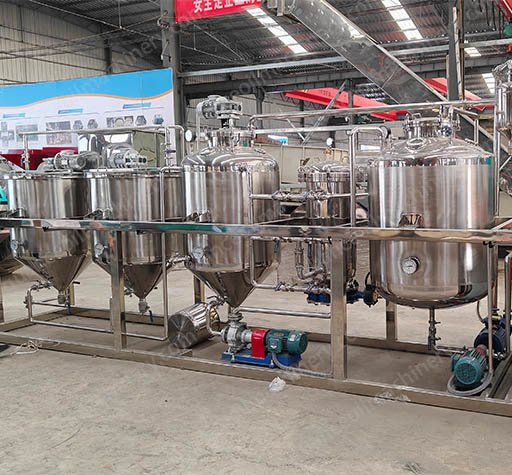
1. Processing Capacity
The sunflower oil refinery plant’s size:
| Configuration | Typical Capacity | Ideal For | Key Consideration |
|---|---|---|---|
| Small Batch Type Edible Oil Refinery Plant | 1-20 TPD | Small producers, specialty oils | Lower initial cost, flexible for oil changes |
| Semi-Continuous Oil Refinery Plant | 20-50 TPD | Medium-scale businesses | Balance of cost and efficiency |
| Fully Continuous Oil Refining Plant | 50-5000TPD | Large-scale industrial production | Highest efficiency and automation, lowest labor cost per ton |
2. Level of Automation
Options range from semi-automatic plants requiring more manual oversight to fully continuous sunflower oil refining plant that minimize labor costs and ensure consistent quality.
3. Technology Configuration
The choice between physical and chemical refining impacts cost. Physical refining, which combines deacidification and deodorization, can be more energy-efficient for sunflower oil with low phosphatide content, but requires high-quality crude oil.
4. Equipment Quality
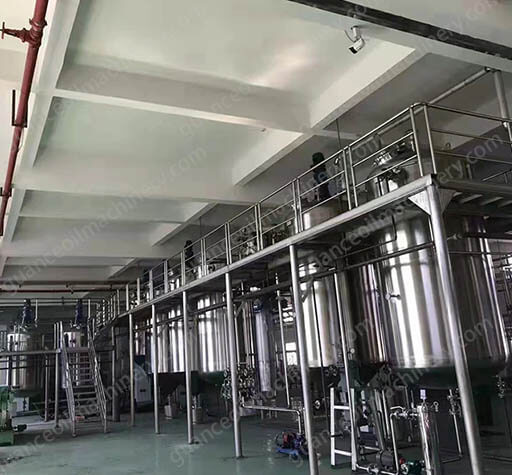
Plants constructed from high-grade stainless steel (e.g., SS304/SS316) for critical components, offer greater corrosion resistance, longer lifespan, compliance with your country food safety standards.
How to Select the Right Sunflower Oil Refinery Plant for Your Needs?
Guance Machinery help a strategic assessment of your business reality.
Analyze Your Raw Material: Consistent, high-quality crude oil with low FFA (Free Fatty Acid) content will simplify refining and improve yield.
Define Your Target Market: Are you producing oil for local bulk sales or for premium bottled retail and export? This determines the required end-product quality and the necessary refining depth.
Calculate True Capacity Needs: Base your decision on a realistic assessment of raw material supply and market demand to avoid under- or over-investing.
Prioritize Energy Efficiency: Guance Machinery modern plants with heat recovery systems significantly reduce steam consumption, which is a major operational cost.
Guance Machinery with an experienced manufacturer who provides customized solutions and robust technical support. Contact us for a free quote now!
📩 Get Your Free Quote Today
Contact us today to discuss your project, capacity requirements, and target materials. Our team will reply within 24 hours with a customized proposal. You can also reach us directly at guanceoilmachinery@gmail.com — we are here to help!