Introduction
Small-scale batch refining is an increasingly popular choice for small and medium-sized enterprises (SMEs) in the edible oil processing industry. Unlike large continuous refining systems, small batch refining is suitable for flexibility, lower initial investment, and the ability to handle smaller production volumes.
This article provides an overview of the small-scale batch refining process, including its applications, and why it is a favored choice for startups and businesses with limited budgets or production requirements.
What is Small-Scale Batch Refining?
Batch refining is a process to purify crude vegetable oils and transform them into edible, high-quality oils suitable for consumption. The small-scale version of this process refers to a system that operates in smaller batches, typically ranging from 1 ton to 10 tons per day, different from the larger continuous systems found in large commercial refineries.
In batch refining, crude oil undergoes several stages to remove impurities such as phospholipids, free fatty acids, color pigments, and odors. These stages typically include degumming, deacidification, decolorization, and deodorization. Additionally, the entire process takes place in a series of vessels, with oil being processed in separate batches.
 Small-scale-batch-refining
Key Stages
Degumming
The first step is degumming to remove phospholipids (or gums) from crude oil. This process involves adding water or acid to the oil, causing the gums to separate and remove.
Deacidification
In this stage, free fatty acids (FFAs) are neutralized, typically using an alkali (such as sodium hydroxide) to form soapstocks that are then removed. This step is essential for improving the oil’s taste and stability.
Decolorization
During decolorization, adding activated carbon or bleaching earth to remove pigments and color compounds from the oil, making it visually appealing and suitable for consumption.
Deodorization
This final step removes unwanted odors from the oil. Heating the oil under vacuum to remove volatile compounds that cause unpleasant smells, such as chlorophyll or free fatty acids.
Applications
Small batch refining is most commonly used in regions with smaller production capacities. It’s ideal for startups, artisanal producers, and small enterprises that want to process crude oils and produce high-quality edible oils.
Startups and SMEs
Small-scale batch refining allows startups to enter the edible oil market easily. It provides flexibility for small batches of various oils, such as soybean oil, sunflower oil, peanut oil, and more.
Local and Organic Producers
Many local and organic oil producers prefer small-scale batch refining for its ability to maintain the quality and integrity of the raw materials. It allows for more control over the final product, ensuring that producing high-quality oils from organic or locally sourced seeds.
Niche Markets
Small-scale batch refining is also a great solution for niche markets where require a variety of oils, or when a demand for specialized oils, such as cold-pressed or high-oleic oils.
Benefits
Lower Investment
The initial cost for small-scale batch refining systems is much lower than large continuous systems, making it an attractive option for entrepreneurs and small businesses.
Flexibility
Batch systems are flexible and can be adapted to handle a variety of oils. This flexibility is especially beneficial for small businesses that may need to process different types of oils depending on market demand.
Energy Efficiency
Small-scale systems are typically more energy-efficient than large refineries. Operating with lower power consumption, reduced operating costs over time.
Better Quality Control
Batch refining gives producers more control over each step, allowing for improved quality assurance and the ability to make adjustments based on the raw material quality.
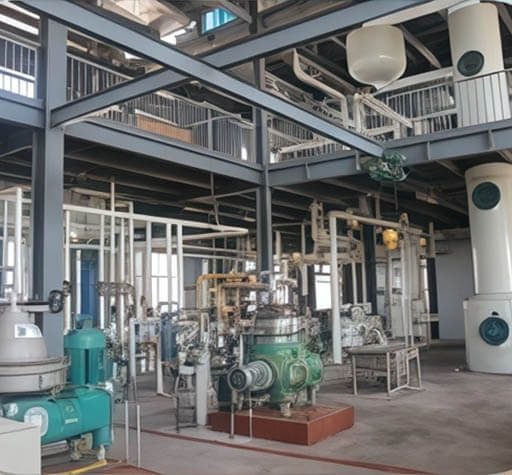
 Small-Scale-Batch-Type-Oil-Refining-Plant
Conclusion
Small-scale batch refining is an excellent solution for businesses looking to enter the edible oil market without large upfront investments. It provides a flexible, cost-effective, and energy-efficient alternative to large-scale refining, thus making it ideal for startups, organic producers, and small enterprises.
As the demand for high-quality edible oils continues to grow, small-scale batch refining systems will remain a crucial component in meeting this need. By understanding the process and its applications, entrepreneurs can make informed decisions about how to refine their oils and compete in the market.
📩 Get Your Free Quote Today
Contact us today to discuss your project, capacity requirements, and target materials. Our team will reply within 24 hours with a customized proposal. You can also reach us directly at guanceoilmachinery@gmail.com — we are here to help!