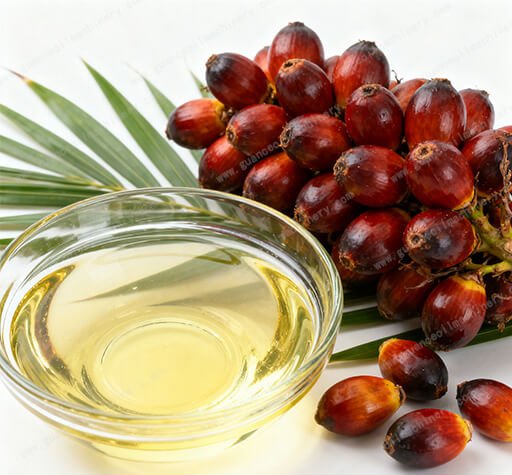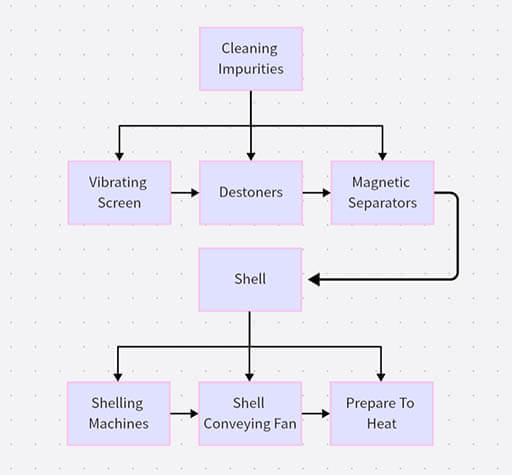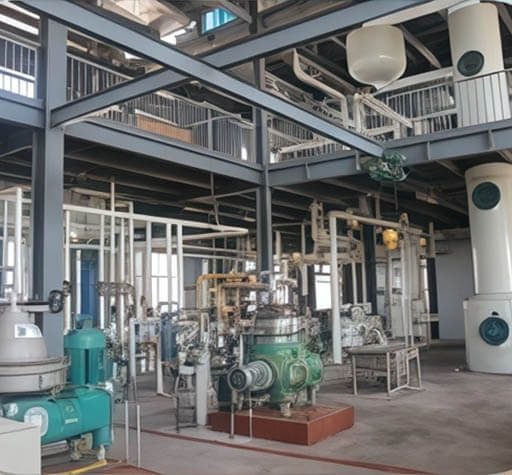
Fresh palm fruit bunches (FFB) are the primary raw material for crude palm oil production. However, palm fruits contain active enzymes that quickly increase free fatty acid (FFA) levels after harvesting. Therefore, proper pretreatment is essential before oil extraction to maintain oil quality and improve production efficiency.
In a palm oil mill, the pretreatment section usually includes sterilization, threshing, digestion, and other preparation steps. Through these processes, the fruit structure is softened, the oil cells are broken, and the oil can be released more effectively during pressing.
Reception and Handling of Fresh Palm Fruit Bunches
After harvesting, fresh palm fruit bunches are transported to the oil mill as soon as possible. During this stage, the fruit quality should be carefully checked because long storage time may lead to higher FFA content.
In addition, proper handling helps reduce fruit damage and prevents unnecessary oil losses. The FFB is normally unloaded in the receiving area and then transferred to the sterilization section.
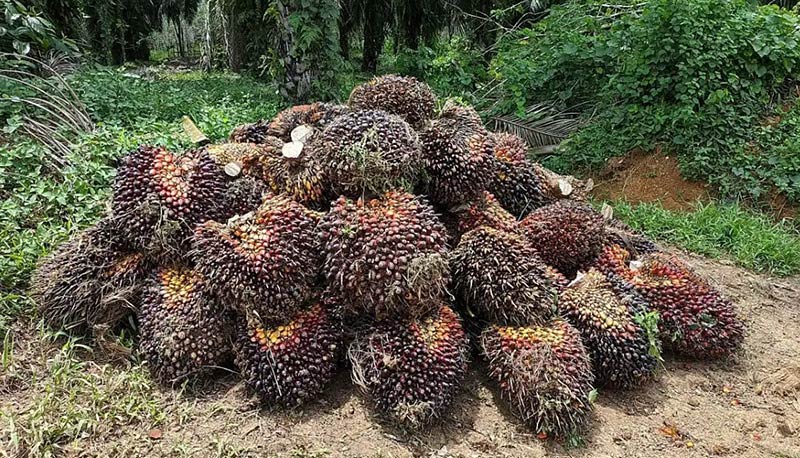 palm-fruit-bunch
Sterilization: The First Key Step in Palm Fruit Processing
Sterilization is one of the most important pretreatment steps in palm oil production. During this process, fresh fruit bunches are treated with high-temperature steam inside a sterilizer.
The main purposes of sterilization include:
(1) Inactivating enzymes that cause oil deterioration
(2) Loosening fruits from the bunch stalk
(3) Softening the fruit pulp structure
(4) Improving oil release during pressing
Generally, horizontal sterilizers and vertical sterilizers are widely used in palm oil mills. The selection depends on production capacity, factory layout, and investment requirements.
Moreover, proper sterilization conditions can significantly influence the final oil recovery rate. If the treatment time is insufficient, fruit separation and oil extraction efficiency may decrease.
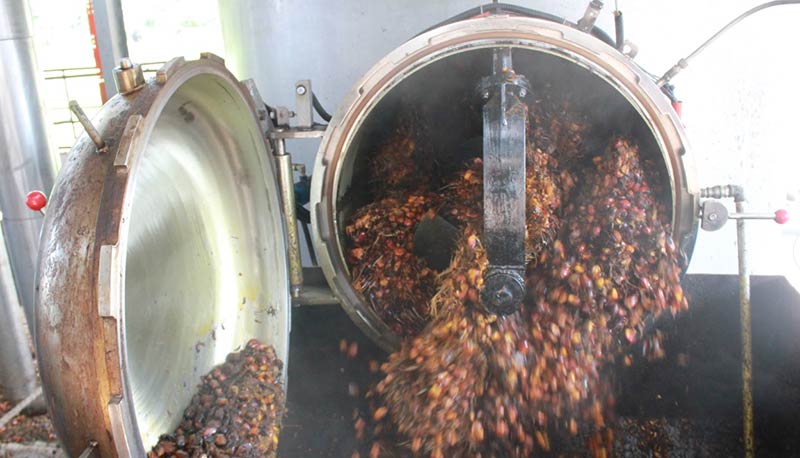 horizontial-sterilizer
Threshing Process: Separating Fruits from Empty Bunches
After sterilization, the softened fruit bunches enter the threshing machine. The rotating drum separates individual palm fruits from the empty fruit bunches (EFB). This step is necessary because only loose fruits are suitable for the following digestion and pressing processes.
Meanwhile, empty fruit bunches can be collected and reused as biomass fuel or organic fertilizer, which improves resource utilization.
Digestion Process: Preparing Fruits for Pressing
After threshing, the separated fruits are delivered to the digester. Inside the digester, mechanical stirring and heating are applied to break the oil-containing cells. As a result, the oil inside the fruit pulp becomes easier to extract during screw pressing.
Furthermore, good digestion performance can reduce the amount of oil remaining in the pressed fiber, helping improve overall extraction efficiency.
Conclusion
Palm fruit pretreatment plays an important role in the entire palm oil production process. Sterilization, threshing, and digestion work together to prepare the fruit for efficient oil extraction.
Therefore, selecting suitable pretreatment equipment and controlling each processing step are essential for building a stable and efficient palm oil mill.
📩 Get Your Free Quote Today
Contact us today to discuss your project, capacity requirements, and target materials. Our team will reply within 24 hours with a customized proposal. You can also reach us directly at guanceoilmachinery@gmail.com — we are here to help!